Social Media Stuff EmbedTree: A Complete Guide to Smarter Social Media Management

In today’s digital world, social media is no longer just a place for entertainment. It has become a powerful marketing tool, a communication hub, and a business growth engine. Whether you are a creator, influencer, entrepreneur, or business owner, managing multiple social media platforms efficiently can feel overwhelming. This is where “social media stuff EmbedTree” enters the conversation.
The term social media stuff EmbedTree has recently gained attention among digital marketers and online creators looking for streamlined solutions to organize links, manage content, improve engagement, and create a better online presence. While many social media management tools focus only on scheduling posts or analytics, EmbedTree appears to represent a broader concept that combines content organization, link management, audience engagement, and social branding in one place.
As social platforms continue evolving, users want smarter ways to connect audiences with their content. Instead of sharing dozens of separate links across profiles, creators now prefer centralized systems that make navigation simple and professional. That is exactly why tools and concepts like EmbedTree are becoming increasingly important in the modern social media landscape.
This article explores everything related to social media stuff EmbedTree, including what it means, how it works, its advantages, how businesses and influencers can use it effectively, and why centralized social media tools are shaping the future of online branding.
Understanding Social Media Stuff EmbedTree
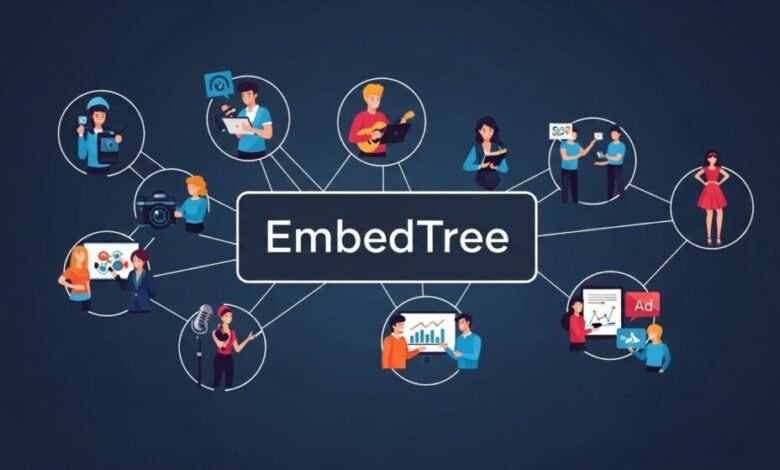
The phrase “social media stuff EmbedTree” may sound unusual at first, but it reflects an important trend in digital communication. At its core, it relates to organizing and embedding social media content, links, and resources into a single accessible structure. Think of it as a smart digital hub where all your important social connections can live together.
Social media users today are active across multiple platforms. A creator might use Instagram for photos, YouTube for videos, TikTok for short-form entertainment, LinkedIn for professional networking, and Twitter/X for discussions. Managing all these profiles separately can confuse followers. EmbedTree-style systems simplify this process by providing one central location that connects everything.
This concept is particularly valuable because modern audiences prefer convenience. If someone discovers a creator on one platform, they often want quick access to the creator’s other channels, products, websites, newsletters, or collaborations. A centralized structure helps guide users without forcing them to search manually.
Another reason this idea is becoming popular is branding consistency. Businesses and influencers need a professional online image. Instead of scattered social links appearing everywhere, organized embedding creates a cleaner and more trustworthy presentation. This can improve user confidence and increase conversions.
Why Social Media Management Matters More Than Ever
The social media world has changed dramatically over the last decade. Initially, social platforms were mainly used for casual communication. Today, they are essential for business marketing, customer service, entertainment, and even education.
Companies invest heavily in social media because audiences spend significant time online. Consumers often discover brands through Instagram reels, TikTok trends, YouTube shorts, or Facebook ads before visiting official websites. Because of this shift, businesses must maintain active and organized social media strategies.
Managing multiple platforms manually creates several problems. Posting consistently becomes difficult, audience engagement may decline, and branding can become inconsistent. Social media tools and organizational systems solve these challenges by helping users streamline their online presence.
The rise of centralized content systems like EmbedTree reflects this growing demand for simplicity. Users no longer want fragmented experiences. They expect smooth transitions between platforms, unified branding, and easy access to information.
Another important factor is mobile browsing. Most users access social media through smartphones. Mobile audiences expect fast-loading, easy-to-navigate content structures. If links are difficult to find or poorly organized, users quickly lose interest. Efficient embedded link systems improve the mobile experience significantly.
How EmbedTree-Style Systems Work
To fully understand social media stuff EmbedTree, it helps to look at how centralized social media systems typically function. These systems usually operate as customizable landing pages that contain multiple embedded links, social icons, media content, and promotional sections.
A creator or business sets up a personalized page where followers can access everything in one place. This might include:
- Social media profiles
- Websites
- Online stores
- Affiliate products
- Blog posts
- YouTube videos
- Contact forms
- Newsletters
- Podcasts
- Booking systems
Instead of constantly updating every social platform separately, users can simply update their centralized hub. This saves time while improving consistency.
Another important feature is analytics. Many modern social media tools provide insights into user behavior. Businesses can track which links receive the most clicks, where traffic comes from, and what content performs best. These analytics help improve marketing strategies over time.
Customization also plays a major role. Branding matters in the digital age, so users want pages that reflect their visual identity. Colors, fonts, logos, and layouts can often be adjusted to match personal or business branding.
These systems are particularly useful for influencers who rely on audience engagement. Fans can quickly find sponsorship links, merchandise stores, collaboration pages, or exclusive content without confusion.
Benefits of Using Social Media Stuff EmbedTree
One of the biggest advantages of using a centralized social media structure is convenience. Both creators and followers benefit from simplified navigation. Users no longer need to search across multiple platforms to find information.
Another major benefit is improved professionalism. A clean, organized social media hub creates a stronger first impression. This matters because audiences often judge credibility within seconds of visiting a profile or link page.
Efficiency is another key advantage. Managing separate social platforms can consume significant time. A centralized system reduces repetitive work and helps creators focus more on producing quality content rather than constantly managing links.
Audience engagement can also improve dramatically. When followers can easily access all content and platforms, they are more likely to interact with multiple channels. This increases overall visibility and strengthens audience relationships.
Businesses also gain marketing advantages. A centralized hub can support promotional campaigns, product launches, and lead generation efforts. Instead of directing users to several different websites, businesses can guide traffic through one optimized location.
Analytics provide another important benefit. Understanding user behavior helps marketers improve decision-making. Businesses can identify which content attracts the most attention and adjust strategies accordingly.
Search engine visibility may also improve. Organized digital structures often create better user experiences, which can positively impact engagement metrics and online discoverability.
Social Media Branding and EmbedTree
Branding has become one of the most important aspects of social media success. Users are exposed to enormous amounts of content daily, so strong branding helps creators and businesses stand out.
Social media stuff EmbedTree aligns perfectly with modern branding strategies because it emphasizes organization, consistency, and visual identity. Instead of random disconnected links, audiences experience a unified digital environment.
Color schemes, typography, profile images, and messaging all contribute to recognizable branding. When audiences encounter the same visual identity across multiple platforms, trust and familiarity increase.
Personal branding is especially important for influencers and content creators. Followers often support creators not just because of content, but because of personality and identity. A professional centralized page strengthens that identity.
For businesses, branding consistency can influence purchasing decisions. Customers are more likely to trust brands with polished and organized online presentations. Centralized social media systems support this professionalism effectively.
Brand storytelling also becomes easier. Instead of isolated content pieces scattered across platforms, creators can guide audiences through a connected experience that reflects their mission and values.
The Role of Embedded Content in Modern Marketing
Embedded content has transformed digital marketing strategies. Rather than simply sharing plain links, businesses now integrate videos, feeds, music players, and interactive elements directly into webpages and social hubs.
This creates more engaging experiences for users. Instead of leaving a page to view content elsewhere, audiences can interact immediately. This keeps users engaged longer and improves retention.
Video embedding is particularly important because video content dominates modern social media. Platforms like TikTok, YouTube, and Instagram Reels have proven that audiences strongly prefer visual storytelling.
EmbedTree-style systems often support multimedia integration, allowing creators to showcase content dynamically. This creates richer digital experiences and increases interaction rates.
Music artists, podcasters, educators, and streamers especially benefit from embedded media systems. Fans can access multiple forms of content without switching between apps repeatedly.
Interactive elements also improve conversions. Embedded forms, product showcases, and booking systems allow users to take action instantly rather than navigating through complicated processes.
Why Influencers and Creators Love Centralized Link Systems
Influencers operate in an extremely competitive environment. Audience attention spans are short, and maintaining engagement requires strategic organization.
Centralized link systems solve a major problem for creators: platform limitations. Many social media apps restrict profile links, making it difficult to promote multiple destinations simultaneously.
By using organized link hubs, creators can bypass these restrictions efficiently. A single bio link can connect followers to videos, merchandise, affiliate products, Patreon pages, sponsorships, and more.
Creators also appreciate flexibility. Content priorities change frequently depending on campaigns, collaborations, or trends. Centralized systems allow fast updates without editing every social profile manually.
Monetization opportunities increase as well. Influencers can promote products, memberships, events, and partnerships more effectively through organized digital hubs.
Another overlooked benefit is audience retention. Followers who discover one type of content may become interested in other platforms when navigation is simple. This helps creators grow entire ecosystems rather than isolated accounts.
SEO and Discoverability Advantages
Search engine optimization is no longer limited to traditional websites. Social media visibility now influences discoverability across the internet.
Organized digital structures improve user engagement metrics, which can indirectly support visibility. When users spend more time interacting with content and navigating connected platforms, overall online authority can strengthen.
Centralized systems also improve content accessibility. Instead of hiding valuable resources across multiple locations, creators can make everything easy to find.
Keyword optimization becomes easier as well. Structured landing pages allow creators to include strategic descriptions, branding language, and searchable information.
Backlink opportunities may increase too. Businesses and creators often share centralized pages across campaigns, collaborations, and marketing materials, creating stronger digital connections.
Mobile optimization further supports discoverability. Since most social media traffic comes from smartphones, responsive centralized systems help reduce bounce rates and improve user experiences.
Common Mistakes to Avoid
Although centralized social media systems offer many benefits, poor implementation can reduce effectiveness. One common mistake is overcrowding pages with too many links or unnecessary elements.
Simplicity matters. Users should quickly understand where to click and what actions to take. Overwhelming layouts often confuse visitors instead of helping them.
Another mistake is inconsistent branding. Different fonts, colors, and messaging can make profiles appear unprofessional. Strong visual consistency improves recognition and trust.
Neglecting analytics is another problem. Many users set up centralized systems but never review performance data. Analytics provide valuable insights that help improve engagement and marketing effectiveness.
Outdated links can also damage credibility. Broken pages or inactive promotions frustrate visitors and create poor impressions. Regular maintenance is essential.
Ignoring mobile optimization is especially harmful because most users browse social platforms through phones. Pages should load quickly and display properly on smaller screens.
The Future of Social Media Stuff EmbedTree
The future of social media management will likely become even more integrated and centralized. As creators expand across multiple platforms, efficient organization tools will become increasingly necessary.
Artificial intelligence may also play a major role in future systems. Personalized recommendations, automated analytics, and adaptive layouts could make centralized platforms smarter and more efficient.
Interactive experiences are expected to grow as well. Future social media hubs may include live content feeds, virtual experiences, integrated shopping systems, and AI-powered communication tools.
Privacy and ownership will also become important themes. Many creators want more control over audience relationships instead of relying entirely on social platform algorithms. Centralized systems provide greater independence.
Another likely trend is deeper e-commerce integration. Social media and online shopping are already merging rapidly. Future EmbedTree-style systems may function as complete creator storefronts.
The creator economy itself continues expanding globally. More individuals are building careers through online audiences, making organized digital infrastructure increasingly valuable.
Final Thoughts
Social media stuff EmbedTree represents a broader shift toward smarter, more organized digital experiences. In a world where creators, businesses, and influencers manage multiple platforms simultaneously, centralized systems provide simplicity, professionalism, and efficiency.
Modern audiences expect convenience. They want quick access to content, products, and information without unnecessary confusion. Organized social media hubs solve this challenge by connecting everything in one place.
From branding and marketing to analytics and audience engagement, centralized embedding systems offer significant advantages. They help creators strengthen identities, businesses improve customer experiences, and marketers streamline campaigns.
As social media continues evolving, tools and concepts like EmbedTree will likely become even more important. The future of online presence is not just about being active on many platforms—it is about creating connected, seamless digital ecosystems that audiences genuinely enjoy using.
For creators and businesses looking to grow online, understanding the value of organized social media structures is no longer optional. It is becoming an essential part of successful digital strategy.