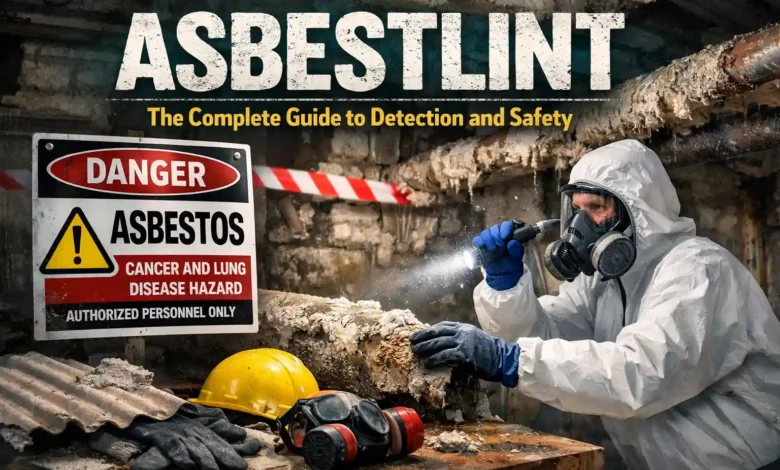
Introduction to Asbestlint
Asbestlint is a term that has been gaining attention in recent years, particularly in discussions around environmental safety, construction materials, and occupational health. While it may sound similar to asbestos—and in some contexts, it is closely related—it often refers to fine, lint-like particles that originate from asbestos-containing materials or similar fibrous substances. These microscopic fibers can become airborne and pose significant health risks when inhaled over time.
Understanding asbestlint is crucial because it is not always visible to the naked eye. Many people assume that if they cannot see dust or debris, their environment is safe. However, asbestlint challenges this assumption. It can linger in the air, settle on surfaces, and accumulate in areas that are rarely cleaned, such as ventilation systems or behind walls. This makes it particularly dangerous in older buildings where asbestos-containing materials were commonly used.
In this article, we will explore asbestlint in detail—from what it is and how it forms, to the health risks it poses and the best ways to manage and prevent exposure. Whether you are a homeowner, contractor, or simply someone interested in environmental safety, this guide will provide you with a clear and expert-level understanding of the topic.
What Is Asbestlint?
Asbestlint refers to extremely fine fibers or dust particles that resemble lint and are often derived from asbestos-containing materials. These particles can be released when materials such as insulation, ceiling tiles, roofing, or floor coverings degrade, are disturbed, or are improperly handled. Unlike larger debris, asbestlint is lightweight and can remain suspended in the air for extended periods.
One of the key characteristics of asbestlint is its fibrous nature. These fibers are incredibly small—often microscopic—and can easily be inhaled without immediate detection. Once airborne, they can travel through indoor spaces, making it difficult to isolate the source or contain the spread. This is why even minor disturbances, such as drilling into a wall or removing old insulation, can release significant amounts of asbestlint into the environment.
It’s also important to note that asbestlint is not always exclusively made of asbestos. In some contexts, the term may be used more broadly to describe lint-like fibers from other hazardous materials. However, when associated with asbestos, the risks are particularly severe due to the well-documented health effects of asbestos exposure.
Sources of Asbestlint in Buildings
Asbestlint typically originates from materials that contain asbestos and have deteriorated over time. Many buildings constructed before the 1980s used asbestos extensively due to its heat resistance, durability, and insulating properties. As these materials age, they become brittle and more prone to releasing fibers into the air.
Common sources include insulation around pipes and boilers, ceiling tiles, floor tiles, and roofing materials. When these materials are intact and undisturbed, they may not pose an immediate risk. However, when they are damaged—either through wear and tear, renovation work, or environmental factors—they can release asbestlint into the surrounding area.
Another significant source is improper removal or handling of asbestos-containing materials. Without proper safety measures, such as sealing off the area and using specialized equipment, the process of removal can actually increase the concentration of airborne fibers. This is why professional handling is strongly recommended when dealing with suspected asbestos materials.
Health Risks Associated with Asbestlint
The primary danger of asbestlint lies in its impact on human health. When inhaled, the tiny fibers can become lodged in the lungs and remain there for years. Over time, this can lead to serious and often irreversible health conditions.
One of the most well-known diseases associated with asbestos exposure is asbestosis, a chronic lung condition that causes scarring of lung tissue. This leads to symptoms such as shortness of breath, persistent coughing, and reduced lung function. Another severe condition is mesothelioma, a rare but aggressive form of cancer that affects the lining of the lungs or abdomen.
What makes asbestlint particularly concerning is the latency period of these diseases. Symptoms may not appear until decades after exposure, making it difficult to trace the source and take early action. Even low levels of exposure, if repeated over time, can increase the risk of developing these conditions.
How Asbestlint Spreads
Asbestlint spreads easily due to its lightweight and airborne nature. Once fibers are released, they can circulate through the air and be carried by ventilation systems, fans, or even natural airflow. This allows them to reach areas far from the original source.
In indoor environments, asbestlint can settle on furniture, carpets, and clothing. Everyday activities such as walking, cleaning, or even sitting down can disturb these settled fibers and reintroduce them into the air. This creates a cycle of exposure that can be difficult to break without proper intervention.
Outdoor spread is also possible, especially during demolition or construction work. Wind can carry fibers to nearby areas, potentially exposing individuals who are not directly involved in the work. This highlights the importance of strict safety protocols when handling materials that may produce asbestlint.
Identifying the Presence of Asbestlint
Detecting asbestlint is not straightforward because the fibers are typically too small to see without specialized equipment. Visual inspection alone is not sufficient to confirm its presence. Instead, professional testing is required to accurately identify asbestos fibers in the air or on surfaces.
Air sampling is one of the most common methods used. This involves collecting air samples over a period of time and analyzing them in a laboratory to determine the concentration of airborne fibers. Surface sampling may also be conducted to assess contamination levels in specific areas.
It is important not to attempt to collect samples on your own, as this can disturb materials and increase exposure. Certified professionals have the necessary tools and expertise to conduct testing safely and effectively. If you suspect the presence of asbestlint, seeking professional assistance is the best course of action.
Prevention and Safety Measures
Preventing exposure to asbestlint requires a combination of awareness, proper maintenance, and adherence to safety guidelines. The first step is identifying potential sources within your environment, particularly if you live or work in an older building.
Regular inspections can help detect signs of deterioration in materials that may contain asbestos. If such materials are found, they should be left undisturbed whenever possible. Encapsulation or sealing may be used to prevent fibers from being released into the air.
When renovation or demolition work is necessary, it is crucial to hire licensed professionals who are trained in asbestos handling. They will use specialized equipment, protective gear, and containment methods to minimize the release of fibers and ensure safe removal.
Proper Removal and Disposal
Removing materials that produce asbestlint is a highly regulated process due to the associated health risks. It should never be attempted without proper training and certification. Professional asbestos removal teams follow strict procedures to ensure safety.
The process typically involves sealing off the work area, using negative air pressure systems to prevent the spread of fibers, and carefully removing materials without breaking them apart. Workers wear protective clothing and respirators to reduce their exposure.
Once removed, the materials must be disposed of in designated facilities that are equipped to handle hazardous waste. Improper disposal can lead to environmental contamination and pose risks to the wider community. Compliance with local regulations is essential throughout the process.
The Role of Regulations and Guidelines
Governments and health organizations around the world have established regulations to manage the risks associated with asbestos and asbestlint. These regulations cover everything from the use of asbestos in construction to the procedures for removal and disposal.
Workplace safety standards often require employers to assess the presence of asbestos and implement measures to protect workers. This may include training programs, regular monitoring, and the use of protective equipment.
For homeowners, guidelines may vary depending on the region, but the general principle remains the same: avoid disturbing materials that may contain asbestos and seek professional help when necessary. Staying informed about local regulations can help ensure compliance and protect your health.
Common Misconceptions About Asbestlint
There are several misconceptions about asbestlint that can lead to unsafe practices. One common belief is that asbestos is only dangerous when visibly damaged. In reality, even minor disturbances can release fibers that are not immediately noticeable.
Another misconception is that short-term exposure is harmless. While prolonged exposure increases the risk, even brief exposure can be dangerous under certain conditions. The cumulative effect of repeated exposure is particularly concerning.
Some people also assume that modern buildings are completely free of asbestos-related risks. While the use of asbestos has been restricted in many countries, it has not been entirely eliminated. Understanding these misconceptions is key to making informed decisions and staying safe.
Conclusion
Asbestlint is a serious but often overlooked hazard that can have long-term consequences for health and safety. Its invisible nature and ability to spread easily make it particularly challenging to manage without proper knowledge and precautions.
By understanding what asbestlint is, where it comes from, and how it affects the body, you can take proactive steps to reduce your risk of exposure. Whether through regular inspections, professional testing, or safe removal practices, awareness is your strongest tool.
Ultimately, dealing with asbestlint is not just about compliance with regulations—it is about protecting yourself and others from a preventable risk. With the right approach and expert guidance, it is possible to create a safer environment and minimize the dangers associated with this hidden threat.