Fenugreek, often spelled or searched as “foenegriek,” is one of those remarkable plants that has quietly stood the test of time. Used for thousands of years across cultures, this humble herb has been valued not only for its culinary applications but also for its medicinal and nutritional benefits. Despite its ancient roots, fenugreek continues to gain popularity in modern wellness conversations, thanks to growing scientific interest and a renewed appreciation for natural remedies.
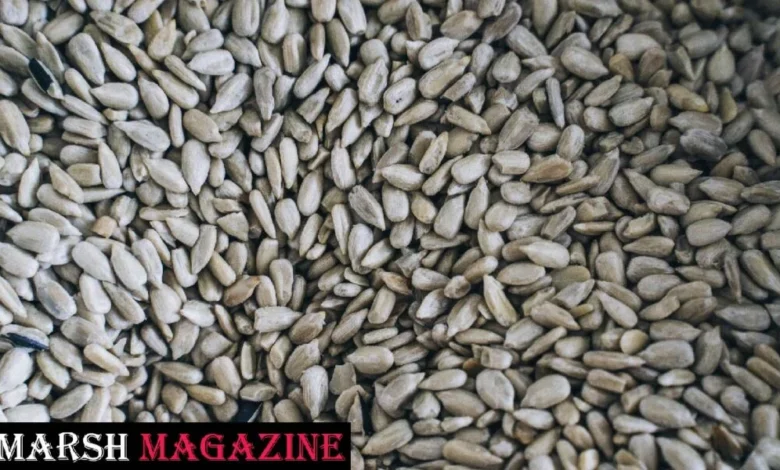
At first glance, fenugreek may appear unassuming—small golden seeds with a slightly bitter aroma—but its impact is anything but small. It is widely used in kitchens around the world, especially in South Asian, Middle Eastern, and Mediterranean cuisines. Beyond flavor, it offers a range of potential health benefits that have made it a staple in traditional medicine systems like Ayurveda and Unani.
In this article, we will explore fenugreek in depth—from its origins and nutritional profile to its health benefits, uses, and practical tips for incorporating it into daily life. Whether you are a curious beginner or someone looking to deepen your understanding, this comprehensive guide will give you a well-rounded perspective on fenugreek.
Origins and Historical Significance of Fenugreek
Fenugreek has a rich history that dates back over 4,000 years. It is believed to have originated in the Mediterranean region, Southern Europe, and Western Asia. Ancient civilizations such as the Egyptians, Greeks, and Romans all recognized its value. In fact, fenugreek seeds were found in Egyptian tombs, suggesting their importance not only in daily life but also in spiritual and burial practices.
The Greeks and Romans used fenugreek primarily as a medicinal herb and livestock feed. Its name is derived from the Latin term “foenum-graecum,” meaning “Greek hay,” which reflects its use as fodder. Over time, fenugreek spread across trade routes into India and China, where it became deeply integrated into traditional healing systems.
In Ayurvedic medicine, fenugreek has long been used to balance digestion, improve metabolism, and support overall vitality. Traditional Chinese medicine also incorporates fenugreek for its warming properties and its ability to support kidney health. This widespread historical use across cultures highlights its versatility and enduring relevance.
Nutritional Profile of Fenugreek
One of the reasons fenugreek has gained renewed attention is its impressive nutritional composition. Fenugreek seeds are rich in essential nutrients that contribute to overall health. They contain a good amount of fiber, protein, and a variety of vitamins and minerals, including iron, magnesium, manganese, and vitamin B6.
The high fiber content in fenugreek is particularly noteworthy. It contains soluble fiber, which forms a gel-like substance in the digestive tract. This not only aids digestion but also helps regulate blood sugar levels and cholesterol. Additionally, fenugreek seeds contain compounds known as saponins and flavonoids, which are believed to have antioxidant and anti-inflammatory properties.
Another important component is diosgenin, a plant compound that has been studied for its potential role in hormone regulation. This is one reason fenugreek is often associated with benefits related to women’s health, particularly in lactation and hormonal balance.
Health Benefits of Fenugreek
1. Supporting Digestive Health
Fenugreek has long been used as a natural remedy for digestive issues. Its high fiber content helps promote regular bowel movements and prevents constipation. The mucilage in fenugreek seeds soothes the lining of the stomach and intestines, making it beneficial for people dealing with gastritis or acid reflux.
Additionally, fenugreek may help stimulate appetite and improve overall digestion. This makes it particularly useful for individuals recovering from illness or those with poor appetite. By supporting the digestive system, fenugreek contributes to better nutrient absorption and overall well-being.
Another advantage is its potential to reduce inflammation in the gut. Chronic inflammation is often linked to digestive disorders, and fenugreek’s natural compounds may help alleviate these symptoms over time.
2. Blood Sugar Regulation
One of the most researched benefits of fenugreek is its role in managing blood sugar levels. Studies suggest that fenugreek seeds can improve insulin sensitivity and slow down the absorption of carbohydrates in the digestive tract.
The soluble fiber in fenugreek plays a key role here. It helps reduce spikes in blood glucose levels after meals, making it a valuable addition to the diet of individuals with diabetes or those at risk of developing it. Some research also indicates that fenugreek may enhance insulin function, further supporting blood sugar control.
Incorporating fenugreek into meals or consuming it as a supplement may provide long-term benefits for metabolic health. However, it is always advisable to consult a healthcare professional before using it as part of a treatment plan.
3. Enhancing Heart Health
Fenugreek may also contribute to cardiovascular health. Its ability to lower cholesterol levels is one of its most significant benefits. The fiber and saponins in fenugreek help reduce the absorption of cholesterol in the intestines, leading to lower levels of LDL (bad cholesterol).
By improving lipid profiles, fenugreek can help reduce the risk of heart disease. Additionally, its antioxidant properties help combat oxidative stress, which is a major contributor to cardiovascular issues.
Regular consumption of fenugreek, combined with a balanced diet and healthy lifestyle, can support overall heart health. It is a simple yet effective way to incorporate natural wellness into daily routines.
4. Supporting Women’s Health
Fenugreek is particularly well-known for its benefits in women’s health. One of its most popular uses is to support lactation in breastfeeding mothers. It is believed to stimulate milk production, making it a common recommendation for new mothers.
The presence of phytoestrogens in fenugreek may also help regulate hormonal balance. This can be beneficial for managing symptoms of menopause, such as hot flashes and mood swings. Additionally, some women use fenugreek to alleviate menstrual discomfort.
While these benefits are widely recognized, it is important to use fenugreek in moderation and under professional guidance, especially during pregnancy or when dealing with hormonal conditions
5. Boosting Skin and Hair Health
Fenugreek is not just beneficial internally—it also has external applications for skin and hair care. The seeds can be soaked and ground into a paste, which is then applied to the skin or scalp.
For the skin, fenugreek’s anti-inflammatory and antibacterial properties may help reduce acne and improve overall complexion. It also acts as a natural moisturizer, leaving the skin soft and hydrated.
When it comes to hair, fenugreek is often used to strengthen hair follicles, reduce dandruff, and promote growth. Regular use of fenugreek-based treatments can lead to healthier, shinier hair over time.
Culinary Uses of Fenugreek
Fenugreek is a staple ingredient in many cuisines around the world. Both the seeds and the leaves are used in cooking, each offering a distinct flavor profile. The seeds have a slightly bitter, nutty taste, while the leaves are more aromatic and mildly sweet.
In South Asian cuisine, fenugreek seeds are often used in spice blends such as curry powders and masalas. They are also added to pickles and chutneys for an extra layer of flavor. The leaves, known as “methi,” are used in dishes like flatbreads, curries, and vegetable stir-fries.
In Middle Eastern cooking, fenugreek is sometimes used in bread and stews. It is also a key ingredient in certain Ethiopian spice blends. Its versatility makes it a valuable addition to a wide range of recipes.
To reduce the bitterness of fenugreek seeds, they can be lightly roasted before use. This enhances their flavor and makes them more palatable in dishes.
How to Use Fenugreek in Daily Life
Incorporating fenugreek into your daily routine does not have to be complicated. One of the simplest ways is to soak a teaspoon of fenugreek seeds in water overnight and consume them in the morning. This method is commonly used for digestive and metabolic benefits.
Fenugreek is also available in powdered form, which can be added to smoothies, soups, or teas. Capsules and supplements are another option for those who prefer a more convenient approach.
For topical use, fenugreek paste can be applied to the skin or hair. This natural remedy is easy to prepare at home and offers a cost-effective alternative to commercial products.
Consistency is key when using fenugreek. While it may not provide instant results, regular use over time can lead to noticeable improvements in health and well-being.
Potential Side Effects and Precautions
While fenugreek is generally safe for most people, it is important to be aware of potential side effects. Some individuals may experience mild digestive discomfort, such as bloating or diarrhea, especially when consuming large amounts.
Fenugreek can also interact with certain medications, particularly those related to blood sugar and blood thinning. Therefore, individuals with medical conditions or those taking medication should consult a healthcare provider before using fenugreek regularly.
Pregnant women should exercise caution, as high doses of fenugreek may not be safe during pregnancy. It is always better to seek professional advice in such cases.
Moderation is essential. Like any natural remedy, fenugreek should be used responsibly to avoid unwanted effects.
conclusion
Fenugreek is a powerful herb with a long history and a wide range of applications. From its roots in ancient civilizations to its growing popularity in modern wellness, it continues to prove its value as both a culinary ingredient and a natural remedy.
Its impressive nutritional profile, combined with its potential health benefits, makes it a versatile addition to any lifestyle. Whether you are looking to improve digestion, manage blood sugar, support heart health, or enhance skin and hair, fenugreek offers a natural and accessible solution.
By understanding how to use fenugreek effectively and responsibly, you can unlock its full potential and make it a meaningful part of your daily routine.