Introduction to Wollmatten
Wollmatten, or wool mats, are an increasingly popular choice for people looking for natural, sustainable, and functional solutions in both home and industrial settings. Derived from wool fibers, these mats combine durability, insulation, and eco-friendliness in a way that synthetic alternatives often struggle to match. While they may seem like a simple product at first glance, wollmatten have a surprisingly rich history and a wide range of applications that make them worth understanding in detail.
At their core, wollmatten are made from processed wool fibers that are either felted, woven, or compressed into dense layers. This gives them unique properties such as excellent thermal insulation, moisture absorption, and natural resistance to dirt and odors. These features make them particularly valuable in environments where comfort and practicality need to coexist.
In recent years, as sustainability has become more important to consumers, wollmatten have gained attention as an environmentally friendly alternative to synthetic mats. Wool is a renewable resource, biodegradable, and requires less energy to produce compared to many petroleum-based materials. This makes wollmatten not only functional but also aligned with modern eco-conscious values.
The History and Origins of Wollmatten
The use of wool for practical applications dates back thousands of years. Early civilizations recognized the unique properties of wool, using it for clothing, insulation, and even flooring. Wollmatten, in their earliest forms, were simple felted wool sheets used by nomadic cultures for warmth and comfort.
In regions with colder climates, such as Central Asia and Northern Europe, wool mats became essential household items. They were used to line tents, cover floors, and provide insulation against harsh weather conditions. The technique of felting wool—using moisture, heat, and pressure to bind fibers together—was developed early and remains a key method in producing wollmatten today.
As industrialization progressed, the production of wool mats became more refined. Machines were introduced to process wool more efficiently, allowing for consistent quality and larger-scale production. Despite these advancements, many high-quality wollmatten are still made using traditional methods, preserving the craftsmanship and durability that have defined them for centuries.
Today, wollmatten are no longer limited to traditional uses. They have evolved into modern products used in homes, offices, gardens, and even specialized industrial environments. Their historical roots, however, continue to influence their design and functionality.
Materials and Manufacturing Process
Understanding how wollmatten are made helps explain why they are so effective in various applications. The process begins with raw wool, typically sourced from sheep. This wool is cleaned thoroughly to remove dirt, grease, and other impurities before being processed further.
One of the most common methods used to create wollmatten is felting. In this process, wool fibers are subjected to heat, moisture, and agitation, causing them to interlock and form a dense, cohesive material. This results in a mat that is both strong and flexible, with excellent insulating properties.
Another method involves weaving wool fibers into structured mats. These woven wollmatten tend to be more decorative and are often used in interior design. They may feature patterns, textures, and varying thicknesses depending on their intended use.
Some wollmatten are also combined with other natural or synthetic materials to enhance specific properties. For example, adding rubber backing can improve grip, while blending wool with other fibers can increase durability. Regardless of the method, the goal is to retain the natural benefits of wool while tailoring the mat for specific applications.
Key Benefits of Wollmatten
One of the main reasons wollmatten are so popular is the wide range of benefits they offer. These advantages stem directly from the natural properties of wool, making them both practical and comfortable to use.
First, wollmatten provide excellent thermal insulation. Wool fibers trap air, which helps regulate temperature. This means that wool mats can keep surfaces warm in winter and cool in summer, making them ideal for year-round use. Whether placed on floors or used as padding, they contribute to a more comfortable environment.
Second, they are highly absorbent yet breathable. Wool can absorb moisture without feeling wet, which helps maintain dryness and prevents the buildup of mold and mildew. This makes wollmatten especially useful in areas prone to humidity, such as bathrooms, kitchens, or entryways.
Another significant benefit is their natural resistance to odors and dirt. Wool contains lanolin, a natural substance that repels water and inhibits bacterial growth. As a result, wollmatten stay cleaner for longer and require less frequent maintenance compared to synthetic mats.
Applications of Wollmatten in Everyday Life
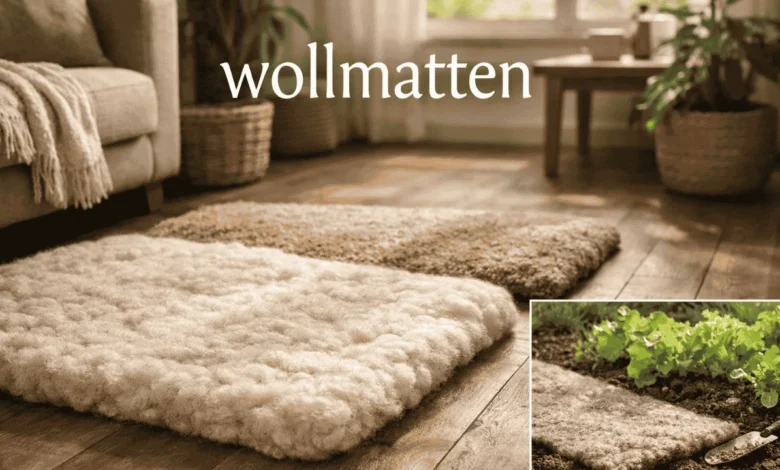
Wollmatten are incredibly versatile and can be used in a variety of settings. In homes, they are commonly used as floor mats, rugs, and cushioning layers. Their softness and insulation make them ideal for living rooms, bedrooms, and even children’s play areas.
In addition to indoor use, wollmatten are also popular in outdoor and gardening applications. They can be used as protective layers for plants, helping retain moisture in the soil and regulate temperature. This makes them particularly useful for gardeners looking for natural solutions to improve plant health.
Industrial applications of wollmatten are also worth noting. They are often used for sound insulation, vibration damping, and thermal protection in machinery and construction. Their durability and resilience allow them to withstand demanding conditions while maintaining performance.
Even in specialized fields such as animal care, wollmatten are used as bedding or padding due to their comfort and hygienic properties. This demonstrates just how adaptable and practical these mats can be across different industries.
Wollmatten in Interior Design
In recent years, wollmatten have found a strong place in interior design. Designers appreciate their natural texture, warm appearance, and ability to complement a wide range of styles. From minimalist to rustic interiors, wool mats can enhance the overall aesthetic of a space.
One of the key advantages of using wollmatten in design is their versatility. They can be customized in terms of size, color, and pattern, allowing them to fit seamlessly into any room. Whether used as a statement piece or a subtle accent, they add depth and character to interiors.
Beyond aesthetics, wollmatten also contribute to a healthier indoor environment. They help regulate humidity, reduce noise, and provide a soft, comfortable surface underfoot. This combination of beauty and functionality makes them a favorite among both homeowners and professional designers.
As sustainable design continues to grow in popularity, wollmatten are becoming an even more attractive option. Their natural origin and eco-friendly properties align perfectly with the principles of green living and conscious consumption.
Maintenance and Care Tips
Taking care of wollmatten is relatively simple, but proper maintenance can significantly extend their lifespan. One of the most important aspects of care is regular cleaning. Vacuuming the mats helps remove dust and debris, preventing buildup over time.
For deeper cleaning, wollmatten can be gently washed using mild detergents. It is important to avoid harsh chemicals, as they can damage the natural fibers. In most cases, spot cleaning is sufficient for minor stains, while occasional full cleaning keeps the mat fresh.
Drying wollmatten properly is also essential. They should be air-dried in a well-ventilated area, avoiding direct sunlight or high heat, which can cause shrinkage or distortion. Maintaining their shape and texture ensures they remain effective and visually appealing.
Another helpful tip is to rotate the mats periodically. This prevents uneven wear and helps maintain their structure. With proper care, high-quality wollmatten can last for many years, making them a worthwhile investment.
Environmental Impact and Sustainability
One of the most compelling reasons to choose wollmatten is their positive environmental impact. Wool is a renewable resource, as sheep produce new fleece every year. This makes it a sustainable material compared to synthetic alternatives derived from fossil fuels.
Additionally, wool is biodegradable. At the end of its lifecycle, a wool mat can decompose naturally without harming the environment. This reduces waste and contributes to a more sustainable ecosystem.
The production process of wollmatten is also generally less harmful to the environment. Many manufacturers prioritize eco-friendly practices, such as using natural dyes and minimizing water consumption. This further enhances the sustainability of these products.
For consumers looking to reduce their environmental footprint, wollmatten offer a practical and responsible choice. They combine functionality with sustainability, proving that eco-friendly products can also be high-performing and durable.
Choosing the Right Wollmatten
Selecting the right wollmatten depends on your specific needs and preferences. Factors such as size, thickness, and intended use should be considered before making a decision. For example, thicker mats are better suited for insulation, while thinner ones may be ideal for decorative purposes.
The quality of the wool is another important factor. High-quality wollmatten are made from pure wool and have a dense, uniform structure. This ensures better performance and longevity. Checking the manufacturing process and materials used can help you make an informed choice.
Color and design also play a role, especially if the mat is intended for interior use. Neutral tones are versatile and easy to match, while bold patterns can serve as focal points in a room. The right choice can enhance both functionality and aesthetics.
Ultimately, investing in a good wollmatten means considering both practical and visual aspects. With the right selection, you can enjoy the benefits of wool mats for years to come.
Conclusion
Wollmatten are much more than simple mats—they are a blend of tradition, functionality, and sustainability. From their historical origins to their modern applications, they have proven to be a reliable and versatile solution across various fields.
Their natural properties, including insulation, moisture control, and durability, make them an excellent choice for both residential and industrial use. At the same time, their eco-friendly nature aligns with the growing demand for sustainable products.
Whether you are looking to improve your home’s comfort, enhance interior design, or adopt more environmentally responsible practices, wollmatten offer a well-rounded solution. With proper care and thoughtful selection, they can serve as a long-lasting and valuable addition to your space.
In a world where quality and sustainability are becoming increasingly important, wollmatten stand out as a timeless and practical choice.