What Is an Emergency and Why It Matters
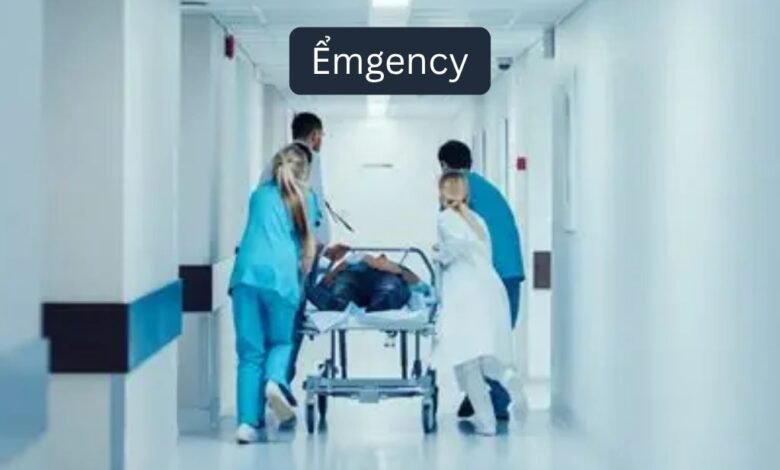
An emergency is any situation that poses an immediate risk to health, life, property, or the environment and requires urgent intervention. While the word itself may sound dramatic, emergencies come in many forms—some sudden and obvious, like natural disasters or accidents, and others more subtle, such as medical conditions that escalate without warning. What defines an emergency is not just the event itself, but the urgency and the need for immediate action.
In everyday life, people often underestimate how quickly situations can spiral into emergencies. A minor kitchen fire, a sudden illness, or even a technical malfunction can escalate if not addressed promptly. Understanding what qualifies as an emergency is the first step toward effective response. It helps individuals avoid hesitation and take decisive action when every second counts.
Moreover, recognizing emergencies is not just about reacting; it’s about awareness. When people are educated about potential risks and warning signs, they are better equipped to respond appropriately. This awareness can significantly reduce harm, prevent loss, and even save lives. Ultimately, emergencies matter because they test our preparedness, resilience, and ability to act under pressure.
Types of Emergencies You Should Know About
Emergencies can be broadly categorized into several types, each with its own characteristics and response strategies. One of the most common categories is medical emergencies. These include heart attacks, strokes, severe injuries, allergic reactions, and sudden illnesses. Medical emergencies often require immediate professional assistance, and knowing basic first aid can make a critical difference in outcomes.
Another major category is natural emergencies, such as earthquakes, floods, hurricanes, and wildfires. These events are often unpredictable and can cause widespread damage in a short amount of time. Preparing for natural emergencies involves understanding the risks specific to your region and having a plan in place to evacuate or seek shelter when necessary.
There are also man-made emergencies, including accidents, fires, chemical spills, and acts of violence. These situations may arise from human error or intentional actions and often require coordination between emergency services and the public. Being aware of safety protocols and emergency procedures in workplaces, schools, and public areas is essential to minimize risks associated with these events.
The Importance of Emergency Preparedness
Preparedness is one of the most powerful tools individuals and communities have when facing emergencies. It involves planning ahead, gathering necessary resources, and understanding how to respond effectively in different scenarios. While it’s impossible to predict every emergency, being prepared can significantly reduce panic and confusion.
A key aspect of preparedness is having an emergency plan. This plan should include evacuation routes, communication strategies, and designated meeting points for family members. When everyone knows what to do, it reduces the chances of chaos during a crisis. Regularly reviewing and practicing this plan ensures that it remains effective and relevant.
In addition to planning, having an emergency kit is crucial. This kit should contain essentials such as water, non-perishable food, medical supplies, flashlights, batteries, and important documents. Being prepared is not about expecting the worst; it’s about ensuring that you can handle unexpected situations with confidence and control.
Building an Effective Emergency Response Plan
Creating an emergency response plan requires careful thought and consideration of various scenarios. The first step is identifying potential risks in your environment. For example, if you live in an area prone to floods, your plan should focus on evacuation routes and safe shelters. If you are in an urban setting, fire safety and medical emergencies might take priority.
Once risks are identified, the next step is assigning roles and responsibilities. Each member of a household or organization should know their role during an emergency. This could include responsibilities such as calling emergency services, gathering supplies, or assisting vulnerable individuals. Clear roles help streamline the response and avoid confusion.
Communication is another critical component of any emergency plan. Establishing reliable ways to stay in touch during an emergency is essential, especially when traditional communication channels may be disrupted. Backup methods, such as messaging apps or designated contact persons, can ensure that everyone remains informed and connected.
Essential Emergency Skills Everyone Should Learn
Having practical skills can make a significant difference during emergencies. One of the most important skills is basic first aid. Knowing how to perform CPR, treat wounds, or handle choking incidents can save lives before professional help arrives. These skills are not just for healthcare professionals; they are valuable for everyone.
Another important skill is situational awareness. This involves being aware of your surroundings and recognizing potential dangers before they escalate. Whether you are driving, working, or simply going about your day, staying alert can help you avoid risky situations and respond quickly when needed.
Problem-solving under pressure is also a critical skill in emergencies. When faced with unexpected challenges, the ability to think clearly and make quick decisions is invaluable. This skill can be developed through practice, training, and experience. The more prepared you are mentally, the more effectively you can handle stressful situations.
Common Mistakes People Make During Emergencies
Despite good intentions, people often make mistakes during emergencies that can worsen the situation. One common mistake is panic. Panic can lead to poor decision-making, delays, and even dangerous actions. Staying calm and focused is essential to managing any emergency effectively.
Another mistake is underestimating the situation. Some people ignore warning signs or delay taking action, hoping that the problem will resolve itself. This hesitation can result in missed opportunities to prevent escalation. It is always better to act cautiously and seek help when in doubt.
Lack of preparation is also a frequent issue. Many individuals do not have emergency plans or supplies in place, leaving them vulnerable when a crisis occurs. Taking the time to prepare in advance can prevent unnecessary stress and ensure a more organized response when it matters most.
The Role of Technology in Emergency Management
Technology has transformed the way emergencies are managed and responded to. From early warning systems to real-time communication tools, modern technology plays a vital role in improving response times and coordination. Mobile apps, for example, can provide alerts about natural disasters, weather conditions, and safety updates.
In addition, advancements in medical technology have improved emergency care significantly. Portable devices, telemedicine, and improved diagnostic tools allow for faster and more accurate treatment. These innovations have increased survival rates and enhanced the overall effectiveness of emergency services.
However, reliance on technology also comes with challenges. Power outages, network failures, and technical issues can disrupt communication during emergencies. Therefore, while technology is a powerful tool, it should be complemented with traditional methods and backup plans to ensure reliability.
Community Involvement in Emergency Situations
Emergencies are not just individual challenges; they are collective ones. Communities play a crucial role in supporting each other during crises. Strong community networks can provide assistance, share resources, and ensure that vulnerable individuals receive the help they need.
Volunteering and participating in community preparedness programs can strengthen overall resilience. These programs often provide training, resources, and opportunities to practice emergency response skills. When communities work together, they can respond more effectively and recover more quickly.
Communication within the community is also essential. Sharing information, updates, and resources can help prevent misinformation and ensure that everyone is on the same page. A well-informed community is better equipped to handle emergencies and support recovery efforts.
Recovering After an Emergency
The aftermath of an emergency can be just as challenging as the event itself. Recovery involves not only rebuilding physical structures but also addressing emotional and psychological impacts. It is important to take a comprehensive approach to recovery that includes both practical and emotional support.
One of the first steps in recovery is assessing the damage and prioritizing needs. This may involve securing shelter, accessing medical care, and restoring basic services. Having a recovery plan can help streamline this process and ensure that essential needs are met efficiently.
Emotional recovery is equally important. Experiencing an emergency can be traumatic, and individuals may need time and support to process their experiences. Seeking help from professionals, talking to loved ones, and engaging in self-care can aid in the healing process and promote long-term well-being.
Final Thoughts: Staying Ready in an Unpredictable World
Emergencies are an inevitable part of life, but their impact can be minimized through awareness, preparation, and effective response. By understanding different types of emergencies, developing practical skills, and creating solid plans, individuals can navigate crises with greater confidence and control.Emergency
Preparedness is not a one-time effort; it is an ongoing process. Regularly updating plans, learning new skills, and staying informed about potential risks are essential steps in maintaining readiness. The more proactive you are, the better equipped you will be to handle unexpected situations.
In the end, being prepared for emergencies is about more than just survival—it’s about resilience. It’s about having the ability to adapt, recover, and move forward, no matter what challenges arise. And in a world that is often unpredictable, that kind of readiness is truly invaluable.