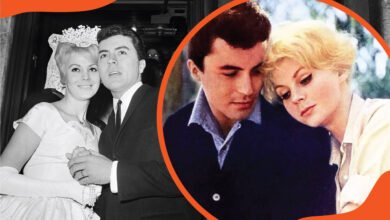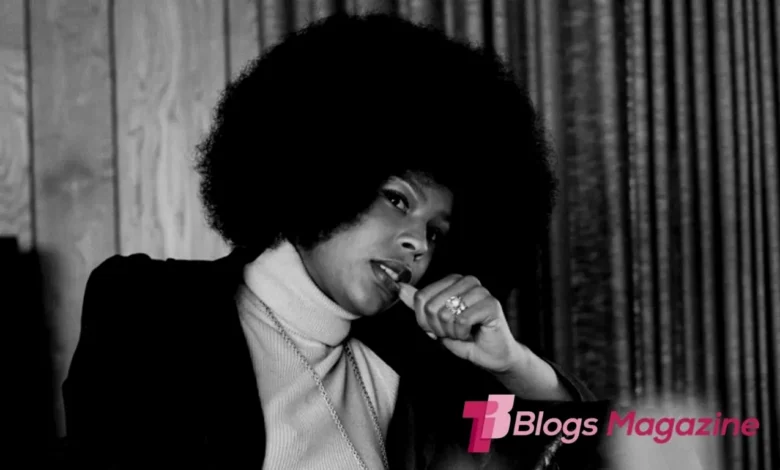
Introduction to Marguerite Whitley
When people hear the name Marguerite Whitley, it often comes up in connection with one of the most talked-about figures in American sports and media history, O. J. Simpson. Yet, reducing her identity to that association alone does a disservice to a woman whose life story reflects resilience, privacy, and quiet strength. Marguerite Whitley has remained largely out of the spotlight, which makes her an intriguing figure for those interested in understanding the human side of highly publicized relationships.
Unlike many individuals connected to celebrities, Marguerite never sought fame. Her life narrative is not one of red carpets or interviews but of personal choices, family responsibilities, and navigating immense public attention without becoming consumed by it. This contrast between her low-profile lifestyle and the intense media scrutiny surrounding her former husband adds depth to her story.Marguerite Whitley
In this article, we will explore her life from early beginnings to her marriage, motherhood, challenges, and the path she chose after stepping away from public attention. The goal is to present a complete and respectful picture of Marguerite Whitley—not just as a former spouse of a famous figure, but as an individual with her own experiences and legacy.
Early Life and Background
Marguerite Whitley was born in the United States during a time when social and cultural shifts were reshaping the country. While detailed records of her early years are limited—largely due to her preference for privacy—it is known that she grew up in a relatively modest environment. Her upbringing instilled in her values such as family loyalty, resilience, and discretion, which would later define much of her adult life.
Her early life was not marked by fame or public attention. Instead, it reflected the experiences of many young women of her time—education, family connections, and aspirations for stability. This grounded upbringing became a significant factor in how she handled the dramatic changes that came with her later association with a rising sports star.
Another important aspect of her early years is the sense of normalcy she maintained. Unlike individuals who grow up in the spotlight, Marguerite’s formative years were private, allowing her to develop a strong sense of self away from external pressures. This foundation would prove essential when her life took a highly public turn.
Meeting O. J. Simpson
Marguerite Whitley met O. J. Simpson during his early years, long before he became a household name. At the time, Simpson was an emerging athlete with immense potential, and their relationship developed in a relatively ordinary setting. Their connection was not driven by fame but by mutual affection and shared experiences.
Their relationship blossomed during Simpson’s college years, particularly when he was gaining recognition for his football talent. Marguerite supported him during this formative phase, offering emotional stability as he worked toward building a professional career. This period is often overlooked, yet it highlights her role in his early success.
As Simpson’s career began to take off, their relationship faced new challenges. The transition from a private life to a public one is rarely easy, and for Marguerite, it meant adapting to a world filled with attention, expectations, and scrutiny. Despite these pressures, the couple moved forward together, eventually deciding to marry.
Marriage and Family Life
Marguerite Whitley and O. J. Simpson got married in 1967, marking the beginning of a new chapter filled with both promise and challenges. At the time, Simpson was on the verge of becoming a major sports figure, and their marriage coincided with his rapid rise to fame in professional football.
The couple had three children together, and Marguerite took on the role of a devoted mother. While Simpson’s career demanded public appearances and constant travel, she focused on maintaining a stable home environment. This division of roles was common at the time, but it also meant that Marguerite bore much of the responsibility for raising their children.
Family life, however, was not without its difficulties. The pressures of fame, combined with the demands of professional sports, created strains in their relationship. Despite her efforts to maintain balance, the challenges of living in the shadow of a growing celebrity became increasingly apparent. These tensions would eventually contribute to the end of their marriage.
Challenges and Personal Struggles
Life in the public eye is rarely easy, and for someone like Marguerite Whitley—who valued privacy—it was particularly challenging. As Simpson’s fame grew, so did media attention, and with it came scrutiny of their personal lives. Marguerite found herself navigating a world that often felt intrusive and overwhelming.
One of the most significant challenges she faced was maintaining her identity amid her husband’s celebrity status. It is easy for individuals in such situations to become defined by their partner’s success, but Marguerite consistently tried to maintain a sense of independence. This was not always easy, especially given the societal expectations placed on women during that era.
In addition to external pressures, the couple faced internal struggles that ultimately led to their separation. These included differences in lifestyle, priorities, and the impact of fame on their relationship. While the details remain largely private, it is clear that these challenges played a role in shaping the course of her life.
Divorce and Life After Separation
Marguerite Whitley and O. J. Simpson divorced in 1979, ending a marriage that had lasted over a decade. The separation marked a turning point in her life, offering both challenges and opportunities for a fresh start.
Divorce is never easy, particularly when it involves a public figure. For Marguerite, it meant adjusting to life outside the spotlight while continuing to co-parent their children. Despite the difficulties, she handled the transition with dignity, choosing to step away from media attention rather than engage with it.
After the divorce, Marguerite focused on rebuilding her life. She maintained a low profile, prioritizing her personal well-being and family. This decision to retreat from the public eye reflects her consistent preference for privacy and her determination to live life on her own terms.
Maintaining Privacy in a Public World
One of the most remarkable aspects of Marguerite Whitley’s life is her ability to maintain privacy despite her connection to a highly publicized figure. In an age where personal details are often shared widely, her decision to remain out of the spotlight is both rare and admirable.
Her approach to privacy was not about avoidance but about control. By choosing not to engage with media narratives, she retained ownership of her story. This allowed her to live a more peaceful life, بعيد from the constant scrutiny that often accompanies celebrity associations.
This commitment to privacy also extends to her family. Marguerite has consistently prioritized protecting her children from unnecessary exposure, ensuring that they could grow up with a sense of normalcy. This decision reflects her deep sense of responsibility and care as a mother.
Public Perception and Media Representation
Marguerite Whitley’s public image has largely been shaped by her association with O. J. Simpson. However, this limited perspective often overlooks the complexity of her life and experiences. Media narratives tend to simplify individuals into roles, and in her case, she has often been portrayed solely as a former spouse.
This type of representation can be misleading. It fails to capture her individuality, her challenges, and her choices. While it is natural for public interest to focus on high-profile figures, it is equally important to recognize the humanity of those connected to them.
Over time, there has been a growing awareness of the need to present more balanced perspectives. Marguerite’s story serves as a reminder that behind every headline is a real person with their own journey. Understanding this helps create a more nuanced and respectful view of her life.
Personal Strength and Resilience
Marguerite Whitley’s life is a testament to resilience. From supporting a partner during his rise to fame to navigating the challenges of public scrutiny and eventual divorce, she has consistently demonstrated strength and composure.
Resilience, in her case, is not about dramatic gestures but about quiet perseverance. It is reflected in her ability to adapt to changing circumstances, maintain her values, and prioritize her family. These qualities have allowed her to move forward despite the challenges she has faced.
Her story also highlights the importance of self-definition. Rather than allowing external narratives to dictate her identity, Marguerite has chosen to define herself through her actions and decisions. This sense of agency is a powerful example for others facing similar situations.
Legacy and Influence
While Marguerite Whitley may not be a public figure in the traditional sense, her life carries a subtle yet meaningful legacy. Her influence is evident in the way she has handled adversity, maintained her privacy, and prioritized her family.
Her story resonates with those who value authenticity and resilience. In a world often driven by visibility and recognition, her choice to live quietly stands out as a different kind of strength. It challenges the notion that influence must always be public or widely acknowledged.
Moreover, her role as a mother and her dedication to her family contribute to her lasting impact. These aspects of her life, though less visible, are deeply significant and reflect the values she has upheld throughout her journey.
Conclusion
Marguerite Whitley’s life is a compelling blend of quiet strength, resilience, and deliberate privacy. While her association with O. J. Simpson brought her into the public eye, she has consistently chosen a different path—one defined by discretion and personal integrity.
Her story serves as a reminder that not all impactful lives are lived in the spotlight. Sometimes, the most meaningful journeys are those that unfold quietly, away from public attention. Marguerite’s ability to maintain her identity and values in the face of immense pressure is a testament to her character.
In the end, she is more than a footnote in someone else’s story. Marguerite Whitley stands as an example of how strength, dignity, and self-awareness can shape a life that is both meaningful and inspiring, even without the glare of fame.