Few things are as satisfying as biting into a perfectly crispy gyoza dipped into a flavorful sauce that balances salty, tangy, savory, and slightly spicy notes all at once. While dumplings often get most of the attention, true food lovers know the dipping sauce is what transforms a good plate of gyoza into an unforgettable meal. Gyoza sauce may look simple in a tiny dipping bowl, but it carries generations of Japanese culinary tradition and flavor craftsmanship.
Whether you enjoy homemade dumplings or order them from your favorite Japanese restaurant, understanding gyoza sauce can completely change how you experience the dish. From traditional soy-vinegar blends to spicy modern variations packed with chili oil and garlic, there is far more depth to this condiment than many people realize. In Japanese cuisine, balance matters deeply, and gyoza sauce is a perfect example of how a few carefully selected ingredients can create something incredibly complex and delicious.
This guide explores everything you need to know about gyoza sauce. You will learn about its origins, ingredients, preparation methods, flavor profiles, regional variations, storage tips, and creative ways to use it beyond dumplings. By the end, you will not only know how to make authentic gyoza sauce at home, but also how to customize it like an expert chef.
What Is Gyoza Sauce?
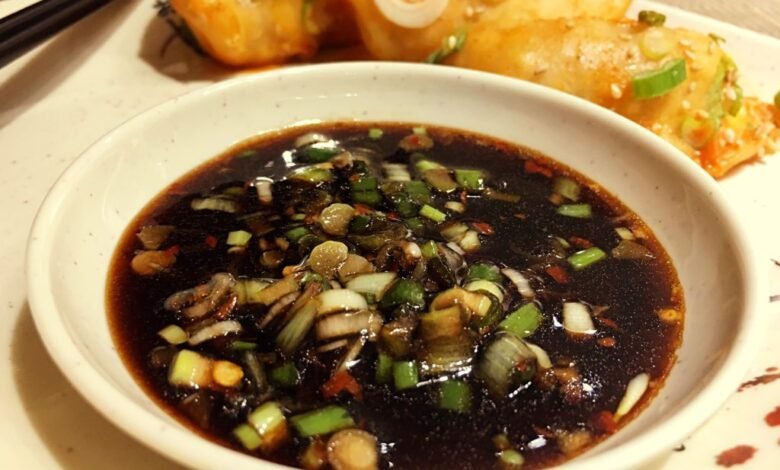
Gyoza sauce is a savory dipping sauce traditionally served with Japanese dumplings known as gyoza. It usually combines soy sauce, rice vinegar, and chili oil, although countless regional and homemade variations exist. The sauce is designed to complement the rich filling and crispy texture of the dumplings without overpowering them.
Japanese cuisine often focuses on harmony rather than intensity alone. Gyoza themselves are rich, juicy, and often pan-fried in oil until crispy on one side. The dipping sauce introduces acidity and saltiness that cut through the richness of the filling. This balance creates the signature flavor experience people associate with restaurant-quality dumplings.
Unlike heavier sauces used in some other cuisines, gyoza sauce tends to remain light and fluid. It coats the dumpling gently instead of masking its flavor. This subtle approach is part of what makes Japanese food so refined and appealing. Even though the ingredient list is short, each element serves a specific purpose.
Another interesting aspect of gyoza sauce is its flexibility. Some people prefer a sharper vinegar-forward version, while others enjoy a soy-heavy, salty blend. Spicy lovers may add chili crisp or fresh garlic, while sweeter variations include mirin or sugar. The base formula is simple enough that anyone can personalize it according to taste.
The History Behind Gyoza Sauce
To understand gyoza sauce properly, it helps to look at the history of gyoza themselves. Gyoza originated from Chinese dumplings called jiaozi. After World War II, Japanese soldiers returning from China brought back the concept of dumplings, which eventually evolved into the Japanese version known today.
Japanese gyoza became thinner-skinned, more garlic-forward, and commonly pan-fried rather than boiled. Along with these changes came the development of a lighter dipping sauce that matched Japanese flavor preferences. While Chinese dumpling sauces often use stronger black vinegar and heavier seasoning, Japanese gyoza sauce evolved toward simplicity and balance.
During the postwar period, gyoza became especially popular in cities like Utsunomiya and Hamamatsu. Restaurants competed to perfect both the dumplings and their dipping sauces. Many local shops developed secret recipes featuring unique ratios of vinegar, soy sauce, and spice.
Over time, gyoza sauce became a staple condiment in Japanese households. Bottled versions appeared in supermarkets, making it easy for families to recreate restaurant flavors at home. Today, gyoza sauce exists in both traditional and modern forms, ranging from minimalist classics to bold gourmet creations infused with sesame, citrus, or fermented chili paste.
The growing global popularity of Japanese cuisine has also introduced gyoza sauce to international audiences. Food lovers around the world now experiment with fusion versions that incorporate ingredients from Korean, Thai, or even Western cooking styles.
Essential Ingredients in Traditional Gyoza Sauce
At its core, authentic gyoza sauce contains only a few ingredients. However, the quality and balance of these components determine the final flavor.
Soy Sauce
Soy sauce forms the savory foundation of gyoza sauce. Japanese soy sauce, often called shoyu, offers a balanced umami flavor with moderate saltiness. It provides depth and richness while enhancing the natural flavors of the dumpling filling.
Different soy sauces produce different results. Dark soy sauce creates a stronger and slightly sweeter profile, while light soy sauce gives a cleaner finish. Many chefs prefer naturally brewed soy sauce because it has a more complex flavor compared to chemically produced versions.
The amount of soy sauce used depends on personal taste. Some people enjoy a saltier dipping experience, while others prefer a more vinegar-heavy balance.
Rice Vinegar
Rice vinegar adds brightness and acidity. Without vinegar, the sauce would feel heavy and one-dimensional. The mild tang of rice vinegar refreshes the palate between bites of rich dumplings.
Japanese rice vinegar tends to be softer and less aggressive than Western vinegar varieties. This gentle acidity fits perfectly with the subtle flavor philosophy of Japanese cuisine.
Some cooks experiment with black vinegar for a deeper, slightly smoky flavor, although this creates a profile closer to Chinese dumpling sauce.
Chili Oil
Chili oil introduces warmth, spice, and aroma. Traditional gyoza sauce usually contains only a small amount, allowing the heat to complement rather than dominate the other flavors.
Japanese chili oil, often known as rayu, is less intense than some Chinese chili oils. It emphasizes aroma and gentle spice instead of overwhelming heat. Many versions also include sesame oil, garlic, or chili flakes for extra complexity.
People who enjoy spicy food often customize their sauce with additional rayu or chili crisp.
Optional Ingredients
Although the classic formula is minimal, many recipes include extra ingredients such as:
- Sesame oil
- Garlic
- Ginger
- Green onions
- Sugar
- Mirin
- Ponzu sauce
- Toasted sesame seeds
These additions create unique flavor profiles while maintaining the spirit of traditional gyoza sauce.
How to Make Homemade Gyoza Sauce
Making gyoza sauce at home is surprisingly easy. In fact, many Japanese households prepare fresh sauce every time they eat dumplings.
Basic Classic Recipe
A simple traditional recipe includes:
- 2 tablespoons soy sauce
- 1 tablespoon rice vinegar
- 1 teaspoon chili oil
Mix everything together in a small bowl and serve immediately. This ratio provides a balanced flavor that works well with most gyoza fillings.
Adjusting the Flavor
One of the best parts of homemade gyoza sauce is customization. If you prefer stronger acidity, increase the vinegar. If you enjoy richer umami, add more soy sauce.
For a sweeter version, include a few drops of mirin or a pinch of sugar. For extra depth, add sesame oil or finely grated garlic.
Taste as you go. Small changes can significantly affect the final result.
Fresh Ingredients Matter
Fresh garlic, ginger, and green onions can elevate homemade sauce dramatically. These ingredients add brightness and aroma that bottled sauces sometimes lack.
However, balance remains important. Gyoza sauce should support the dumplings rather than overshadow them completely.
Letting the Sauce Rest
Although the sauce can be served immediately, letting it sit for ten to fifteen minutes allows the flavors to blend together more smoothly. Garlic and chili become more integrated, creating a more rounded taste.
Popular Variations of Gyoza Sauce
One reason gyoza sauce remains so beloved is its versatility. Around Japan and beyond, countless variations exist.
Spicy Gyoza Sauce
Spicy versions include extra chili oil, chili crisp, or fresh hot peppers. Some recipes even use Korean gochugaru or Sichuan chili flakes for additional complexity.
This style pairs especially well with pork gyoza because the spice cuts through the richness of the meat.
Citrus-Based Sauce
Ponzu-based gyoza sauce adds citrusy brightness using yuzu or lemon flavors. This variation feels lighter and fresher, making it ideal for seafood or vegetable dumplings.
Ponzu sauce also introduces subtle sweetness and depth, creating a more layered flavor profile.
Garlic-Heavy Sauce
Garlic lovers often add minced raw garlic or roasted garlic paste. This creates a bold, aromatic dipping sauce with intense savory flavor.
Restaurants specializing in robust dumplings sometimes serve garlic-focused sauces to enhance the richness of the filling.
Sesame Gyoza Sauce
Sesame oil or tahini-style sesame paste creates a nuttier, creamier sauce. Toasted sesame seeds can also add texture and aroma.
This variation feels richer and more luxurious while still maintaining the core identity of traditional gyoza sauce.
Sweet and Savory Versions
Some modern recipes include honey, brown sugar, or mirin to create a sweet-savory balance. These sauces pair nicely with chicken or vegetable dumplings.
Sweet elements should remain subtle rather than dessert-like. The goal is balance, not overpowering sweetness.
Best Foods to Pair with Gyoza Sauce
Although designed for dumplings, gyoza sauce works beautifully with many other dishes.
Dumplings and Potstickers
Naturally, the most obvious pairing is gyoza themselves. Whether pan-fried, steamed, or deep-fried, dumplings benefit from the sauce’s acidity and umami.
The sauce complements fillings like pork, chicken, shrimp, mushrooms, cabbage, and tofu equally well.
Noodles
Gyoza sauce can function as a quick noodle dressing. Toss it with cold noodles, ramen, or soba for an easy flavor boost.
Adding sesame oil and green onions transforms it into a simple but delicious noodle sauce.
Rice Bowls
Drizzling gyoza sauce over rice bowls adds savory depth. It pairs especially well with grilled meats, vegetables, and fried rice dishes.
The vinegar element helps balance heavier ingredients.
Grilled Meats
Chicken, beef, and pork benefit from the sauce’s salty-tangy profile. Many people use gyoza sauce as a marinade or finishing drizzle for grilled dishes.
The combination of soy and vinegar creates a flavor similar to Japanese barbecue seasoning.
Vegetables
Roasted vegetables, stir-fried greens, and even salads can gain extra flavor from gyoza sauce. The acidity makes vegetables taste brighter and more vibrant.
Store-Bought vs Homemade Gyoza Sauce
Many supermarkets sell bottled gyoza sauce, especially in Asian grocery stores. These products offer convenience, but they differ significantly from homemade versions.
Advantages of Store-Bought Sauce
Bottled sauces save time and provide consistent flavor. They are ideal for busy households or quick meals.
Some premium brands use high-quality ingredients and closely replicate restaurant-style flavor.
Store-bought options also tend to last longer due to preservatives and stable formulations.
Advantages of Homemade Sauce
Homemade sauce provides freshness and customization. You control the salt level, spice intensity, and ingredient quality.
Freshly mixed sauce often tastes brighter and more vibrant than bottled alternatives.
Making sauce at home is also more affordable in the long run, especially if you already keep soy sauce and vinegar in your kitchen.
Which Is Better?
The answer depends on your priorities. If convenience matters most, bottled sauce works perfectly well. If you care deeply about flavor precision and freshness, homemade sauce is hard to beat.
Many food enthusiasts keep bottled sauce for convenience but still prepare homemade versions for special meals.
Tips for Making Restaurant-Quality Gyoza Sauce
Professional chefs often rely on subtle techniques rather than complicated ingredients.
Use High-Quality Soy Sauce
Cheap soy sauce can taste overly salty or harsh. Naturally brewed Japanese soy sauce creates a smoother and more balanced result.
Quality ingredients matter because the recipe is so simple.
Balance Is Everything
The biggest mistake people make is overpowering the sauce with too much soy sauce or spice. Great gyoza sauce should enhance the dumpling, not dominate it.
Start with balanced proportions and adjust gradually.
Experiment Carefully
Adding garlic, ginger, sesame oil, or ponzu can create exciting flavors, but too many ingredients may muddy the sauce.
Focus on one or two enhancements at a time.
Serve Fresh
Fresh sauce almost always tastes better than sauce that has been sitting for days. Whenever possible, mix only what you need.
Pair the Sauce with the Filling
Different dumplings benefit from different sauce styles. Pork gyoza works well with spicy sauces, while seafood dumplings pair beautifully with citrus-forward versions.
Common Mistakes People Make With Gyoza Sauce
Even though the recipe is simple, mistakes can affect the final flavor significantly.
Using Too Much Soy Sauce
Overly salty sauce can overwhelm delicate dumplings. Vinegar should balance the saltiness rather than disappear behind it.
Ignoring Acidity
Some people reduce vinegar because they dislike sour flavors. However, acidity is essential for balancing richness.
Without enough vinegar, the sauce feels flat.
Adding Too Many Ingredients
Complexity is not always better. Overloading the sauce with garlic, sugar, sesame, chili, and citrus at the same time can create confusion instead of harmony.
Using Poor-Quality Ingredients
Because there are so few components, ingredient quality matters greatly. Fresh vinegar and naturally brewed soy sauce create noticeably better results.
Making the Sauce Too Thick
Traditional gyoza sauce should remain relatively light and fluid. Thick sauces may overpower the texture and flavor of the dumplings.
Why Gyoza Sauce Has Become Globally Popular
Japanese cuisine has gained enormous worldwide popularity, and gyoza sauce has followed closely behind.
Part of the appeal comes from its versatility. People use it not only for dumplings but also for noodles, meats, vegetables, and fusion dishes. Its balance of salty, tangy, spicy, and umami flavors works across many cuisines.
Social media and food culture have also contributed to its rise. Homemade dumpling recipes exploded online, encouraging home cooks to experiment with authentic dipping sauces. Food enthusiasts began discovering how much a well-made sauce improves the overall meal experience.
Another reason for its success is accessibility. The ingredients are widely available, inexpensive, and easy to use. Even beginner cooks can create delicious results in minutes.
Modern chefs continue reinventing gyoza sauce with creative additions like truffle oil, miso, yuzu, black garlic, and chili crisp. These innovations keep the sauce exciting while respecting its traditional roots.
Final Thoughts on Gyoza Sauce
Gyoza sauce may seem simple at first glance, but its role in Japanese cuisine is far more significant than many people realize. The perfect balance of soy sauce, vinegar, and chili oil transforms ordinary dumplings into something deeply satisfying and memorable.
What makes gyoza sauce special is its ability to remain elegant while offering endless room for creativity. A classic three-ingredient version can taste incredibly refined, while customized variations allow cooks to express their personal preferences and culinary style.
Whether you prefer spicy, citrusy, garlicky, or traditional flavors, learning how to make great gyoza sauce is a skill worth developing. It is one of those small culinary details that can elevate an entire meal.
The next time you enjoy dumplings, pay closer attention to the dipping sauce beside them. That tiny bowl holds centuries of culinary evolution, cultural influence, and flavor balance. Once you understand the craft behind gyoza sauce, you may never look at dumplings the same way again.