Eggs are one of the most versatile foods in the world, and among the many ways to cook them, over medium eggs hold a special place. They offer the ideal balance between fully cooked whites and a slightly soft, creamy yolk. For many breakfast lovers, this style of egg is the sweet spot between over easy and over hard. Whether served with toast, bacon, pancakes, or tucked into a breakfast sandwich, over medium eggs bring flavor, texture, and comfort to the table.
What makes over medium eggs so popular is their reliability. Unlike over easy eggs, where the yolk can sometimes be too runny, over medium eggs provide a thicker consistency that feels rich without becoming dry. At the same time, they avoid the firmness of over hard eggs, preserving the luxurious texture that makes fried eggs so satisfying. They are approachable for beginners and appreciated by experienced cooks alike.
In recent years, interest in breakfast culture and home cooking has increased significantly. Social media, cooking blogs, and café-style breakfasts have encouraged people to experiment with different egg preparations. Over medium eggs have become a favorite because they are simple to make yet sophisticated enough to elevate an ordinary meal. Understanding how to prepare them properly can instantly improve your breakfast game.
What Are Over Medium Eggs?
Over medium eggs are fried eggs that are cooked on both sides until the whites are fully set and the yolk becomes partially cooked. The yolk remains slightly creamy in the center but is no longer completely liquid. This texture makes over medium eggs ideal for people who enjoy some softness without the mess of a fully runny yolk.
The term “over” refers to flipping the egg during cooking. After the egg is cracked into the pan and the whites begin to firm up, the egg is carefully flipped and cooked briefly on the second side. The amount of cooking time after flipping determines whether the egg becomes over easy, over medium, or over hard. Over medium eggs are cooked just long enough to thicken the yolk while still keeping it tender.
Many people confuse over medium eggs with sunny-side-up eggs, but the difference is significant. Sunny-side-up eggs are never flipped, leaving the yolk completely exposed and runny. Over medium eggs, however, undergo a second cooking phase that changes both texture and flavor. This extra cooking step gives them a richer and more balanced consistency.
Restaurants often consider over medium eggs a sign of proper breakfast technique because they require timing and attention. If cooked too little, the yolk stays too runny. If cooked too long, it becomes over hard. Achieving the perfect middle ground is what makes this cooking style so appealing.
The Difference Between Over Easy, Over Medium, and Over Hard
Understanding the differences between egg styles helps people order or prepare eggs exactly the way they prefer. Over easy eggs have fully cooked whites and a warm, completely runny yolk. They are delicate and require careful handling during cooking because the yolk remains extremely soft.
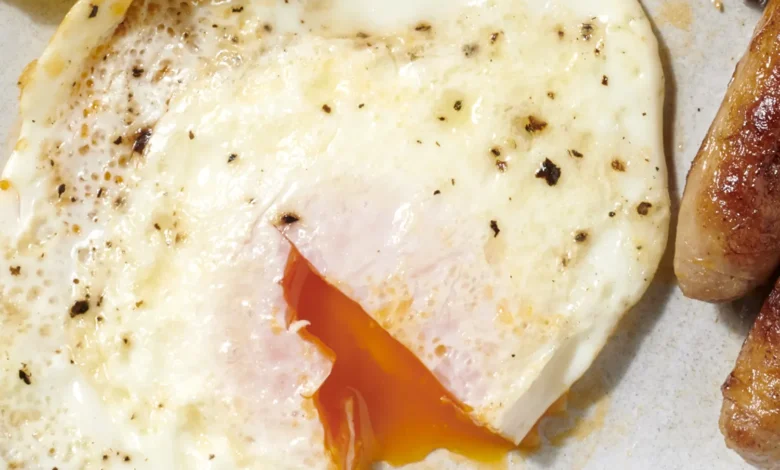
Over medium eggs sit directly in the middle. The whites are fully cooked, and the yolk is thicker but still creamy. When cut open, the yolk flows slowly rather than spilling out immediately. This makes over medium eggs ideal for toast dipping while still being neat enough for sandwiches and plated breakfasts.
Over hard eggs are cooked until the yolk becomes fully solid. They resemble a fried version of a hard-boiled egg and are often preferred by people who dislike runny yolks entirely. While over hard eggs are practical for meal prep and breakfast sandwiches, they lack the creamy richness that makes over medium eggs so satisfying.
The beauty of over medium eggs lies in their versatility. They combine the best qualities of both extremes. You still get the luxurious texture of yolk without worrying about uncooked egg spilling everywhere. For this reason, many chefs and breakfast enthusiasts consider over medium eggs the most balanced fried egg style.
Why Over Medium Eggs Are So Popular
One reason over medium eggs are so widely loved is their texture. The creamy yolk adds richness to meals without becoming too liquid. This makes them more approachable for people who may not enjoy fully runny eggs but still want a softer center.
Another reason is convenience. Over medium eggs are easier to eat in sandwiches, burgers, and wraps because the yolk is less likely to drip excessively. Restaurants frequently use them in breakfast sandwiches because they provide flavor without creating a mess. The slightly thickened yolk acts almost like a built-in sauce.
Nutritional value also contributes to their popularity. Eggs are packed with protein, healthy fats, vitamins, and minerals. Since over medium eggs are only lightly cooked, they maintain much of their nutritional quality while delivering excellent taste. They are filling, affordable, and adaptable to different diets.
The rise of home cooking has also boosted interest in mastering classic breakfast techniques. Many people enjoy learning how to make restaurant-quality breakfasts at home, and over medium eggs are often part of that journey. Once someone learns the timing and flipping technique, the process becomes quick and rewarding.
How to Cook Perfect Over Medium Eggs
Cooking over medium eggs successfully requires attention to heat, timing, and technique. The first step is choosing the right pan. A nonstick skillet works best because it prevents sticking and makes flipping easier. A small amount of butter or oil should be added to the pan before heating.
Medium-low heat is usually ideal. Cooking eggs too quickly can burn the whites before the yolk reaches the correct consistency. Once the pan is warm, crack the eggs gently into the skillet. Allow the whites to cook until they become mostly set while the yolk remains soft.
The flipping stage is the most important part. Using a thin spatula, carefully slide underneath the egg and flip it smoothly. After flipping, cook the eggs for approximately 30 to 60 seconds. This short cooking time thickens the yolk without making it fully hard.
Timing may vary slightly depending on pan temperature and egg size. Experienced cooks often learn to judge doneness by gently pressing the yolk. A slightly soft center usually indicates a perfect over medium egg. Practice helps develop confidence and consistency.
Common Mistakes When Making Over Medium Eggs
One common mistake is using heat that is too high. High temperatures cook the outside too quickly, leading to crispy edges and uneven yolk texture. Lower, controlled heat creates a more even result and reduces the risk of overcooking.
Another mistake is flipping the egg too early. If the whites are not properly set, the egg may break apart during flipping. Waiting until the whites become firm enough to support the yolk helps maintain the egg’s shape and appearance.
Overcooking after flipping is also a frequent problem. Even an extra 30 seconds can turn an over medium egg into an over hard egg. Because eggs continue cooking slightly from residual heat, removing them from the pan promptly is important.
Using old eggs can affect texture and presentation as well. Fresh eggs have firmer whites and more stable yolks, making them easier to cook beautifully. Freshness plays a bigger role in fried eggs than many people realize.
Best Foods to Pair With Over Medium Eggs
Toast is perhaps the most classic companion for over medium eggs. The slightly creamy yolk pairs perfectly with crispy bread, creating a simple yet satisfying breakfast. Whole grain toast, sourdough, or buttered white bread all work wonderfully.
Breakfast meats such as bacon, sausage, and ham also complement over medium eggs beautifully. The savory richness of meat balances the soft texture of the egg yolk, creating a hearty and flavorful meal. Many diners rely on this classic combination.
Potatoes are another excellent pairing. Hash browns, roasted potatoes, or home fries absorb the creamy yolk and add texture to the plate. Over medium eggs can transform a basic potato dish into something far more indulgent and satisfying.
Modern breakfast dishes often include avocado, smoked salmon, sautéed vegetables, or rice bowls topped with over medium eggs. The yolk acts as a natural sauce that enhances nearly every ingredient it touches. This versatility explains why chefs use them in so many recipes.
Nutritional Benefits of Over Medium Eggs
Eggs are considered one of the most nutrient-dense foods available. They contain high-quality protein that supports muscle repair and overall body function. A single egg provides essential amino acids, making it a complete protein source.
Over medium eggs also contain vitamins such as vitamin D, vitamin B12, riboflavin, and choline. Choline is especially important for brain health and cognitive function. Many people do not get enough choline in their diets, making eggs a valuable addition to meals.
Healthy fats found in egg yolks contribute to satiety and energy. Contrary to outdated beliefs, moderate egg consumption is considered safe for most healthy individuals. In fact, eggs can fit into balanced diets ranging from low-carb to high-protein meal plans.
Because over medium eggs are only lightly cooked, they retain their creamy texture while still being adequately heated. For people who enjoy softer yolks but want more cooking than over easy eggs, this style offers a practical compromise.
Restaurant Style Over Medium Eggs at Home
Many people assume restaurant-quality eggs require professional equipment, but that is not true. The key lies in consistency and technique rather than expensive tools. Restaurants often use flat-top griddles, but a simple nonstick skillet can produce equally delicious results.
Butter is commonly used in diners because it enhances flavor and helps create smooth, tender egg whites. Some cooks combine butter with a small amount of oil to prevent burning while still achieving rich taste. Small adjustments like this can make homemade eggs taste more professional.
Another restaurant trick involves covering the pan briefly after flipping. This gentle steam helps cook the top of the egg evenly without requiring extra frying time. The result is a soft yet properly set yolk.
Presentation also matters. Serving over medium eggs immediately preserves texture and appearance. Garnishing with herbs, black pepper, or a sprinkle of sea salt can elevate a simple breakfast into something visually appealing and restaurant-worthy.
Over Medium Eggs Around the World
Different cultures prepare eggs in unique ways, but the appeal of partially cooked yolks exists almost everywhere. In many Western breakfast traditions, over medium eggs are a diner staple served alongside pancakes, meats, and potatoes.
In Asian cuisine, soft-centered fried eggs often appear on rice dishes, noodle bowls, and savory breakfasts. The creamy yolk mixes with sauces and grains to create rich, comforting flavors. Although terminology differs, the cooking concept is remarkably similar.
European breakfasts also feature fried eggs with varying yolk textures. In countries where bread and cured meats are common morning foods, slightly soft yolks add depth and richness to simple ingredients. The universal popularity of eggs highlights their adaptability.
Food trends have further expanded global appreciation for different egg styles. Social media images of brunch plates, breakfast sandwiches, and gourmet toast dishes frequently showcase beautifully cooked over medium eggs. Their visual appeal contributes to their widespread popularity.
Tips for Beginners
If you are new to cooking eggs, starting with over medium eggs is an excellent choice. They are more forgiving than over easy eggs because the yolk does not need to remain completely liquid. At the same time, they are more flavorful and moist than fully cooked eggs.
Using a flexible spatula can make flipping much easier. A thin spatula slides underneath the egg smoothly and reduces the chance of breaking the yolk. Nonstick pans also help beginners achieve cleaner results with less stress.
Patience is important. Rushing the cooking process usually leads to uneven texture or broken yolks. Medium-low heat may seem slow, but it gives better control and improves consistency. Most cooking mistakes happen because the pan becomes too hot.
Practicing regularly builds confidence quickly. Eggs cook fast, which means you can experiment and improve without wasting much time. After a few attempts, most people develop a natural feel for timing and texture.
Final Thoughts on Over Medium Eggs
Over medium eggs represent the perfect balance in the world of fried eggs. They combine fully cooked whites with a creamy, partially set yolk that adds richness and flavor to countless meals. Their versatility makes them suitable for everything from classic breakfasts to modern brunch creations.
Part of their charm lies in their simplicity. With just eggs, a pan, and a little practice, anyone can create a satisfying and restaurant-quality dish at home. While mastering the perfect timing may take a few tries, the reward is well worth the effort.
The popularity of over medium eggs continues to grow because they appeal to both casual eaters and serious food enthusiasts. They are approachable, nutritious, affordable, and endlessly adaptable. Whether paired with toast, potatoes, avocado, or breakfast meats, they consistently deliver comfort and flavor.
For anyone exploring different ways to enjoy eggs, over medium eggs are a must-try option. They offer the best of both worlds: the richness of a soft yolk and the reliability of a properly cooked egg. Once perfected, they often become a permanent favorite in the kitchen.