Rutabagas may not be the first vegetable people grab at the grocery store, but they deserve far more attention than they usually get. This humble root vegetable has a rich, earthy flavor, a slightly sweet finish, and an incredible ability to work in comforting meals. Whether roasted, mashed, baked, or added to soups and stews, rutabagas bring depth and nutrition to the table in ways many people overlook.
If you have ever walked past a pile of waxy purple-and-yellow bulbs and wondered what to do with them, you are not alone. Rutabagas can seem intimidating at first, mainly because they are not as common as potatoes or carrots. However, once you learn a few simple cooking techniques, they quickly become one of the most versatile ingredients in the kitchen.Rutabaga Recipes
This guide covers everything you need to know about rutabaga recipes, from flavor profiles and cooking methods to delicious meal ideas that can easily become household favorites. Whether you want healthier comfort food, hearty winter dishes, or creative side options, rutabagas can deliver all of it.
What Is a Rutabaga?
Rutabaga is a root vegetable believed to be a cross between a cabbage and a turnip. It has rough skin with purple coloring near the top and yellowish flesh inside. Compared to turnips, rutabagas are larger, sweeter, and less peppery. Their flavor becomes even richer and smoother when cooked.
Many people confuse rutabagas with turnips because they look somewhat similar. The biggest difference is taste and texture. Turnips can be sharp and slightly bitter, while rutabagas are milder, sweeter, and creamier after cooking. This makes them ideal for comfort food dishes where you want warmth and richness without overpowering flavors.
Rutabagas are especially popular during colder months because they store well and pair beautifully with hearty meals. In Scandinavian cooking, British cuisine, and parts of North America, rutabagas are often included in traditional winter dishes. Despite their old-fashioned reputation, modern cooks are rediscovering them in creative and healthy ways
Why Rutabagas Are Great for Cooking
One reason rutabagas work so well in recipes is their versatility. They can replace potatoes in many dishes while adding a slightly sweeter and more complex flavor. They also absorb herbs, spices, and sauces beautifully, making them adaptable to many cuisines.
Another major advantage is nutrition. Rutabagas are rich in fiber, vitamin C, potassium, and antioxidants. They are also lower in carbohydrates than potatoes, which makes them attractive to people looking for lighter meal options without sacrificing texture or satisfaction.
The texture of rutabagas also changes dramatically depending on how they are cooked. Roasting brings out caramelized sweetness, boiling creates a creamy consistency, and baking adds depth and richness. This flexibility allows them to fit into everything from rustic farmhouse meals to elegant dinner dishes.
How to Prepare Rutabagas Properly
Before diving into recipes, it helps to understand basic preparation. Rutabagas are dense vegetables with thick skin, so proper handling makes cooking easier and safer.
Start by washing the outside thoroughly because rutabagas are often coated with wax to preserve freshness. Use a sharp knife to trim the ends, then peel away the skin using a sturdy vegetable peeler or knife. The inner flesh should appear yellowish and firm.
Once peeled, cut the rutabaga into cubes, slices, or wedges depending on the recipe. Because rutabagas are harder than potatoes, a sharp chef’s knife is important. Smaller pieces also cook faster and more evenly.
Many people boil rutabagas before roasting or mashing because the vegetable can take longer to soften than potatoes. However, roasting raw cubes works perfectly if you allow enough cooking time. The key is patience because rutabagas develop amazing flavor as they slowly cook.
Classic Mashed Rutabaga Recipes
Mashed rutabaga is one of the most traditional ways to enjoy this vegetable. The texture becomes creamy and smooth, while the flavor turns buttery and slightly sweet.
To make classic mashed rutabaga, boil peeled cubes until fork-tender. Drain thoroughly, then mash with butter, cream, salt, and pepper. Some people add a small amount of nutmeg for warmth, while others mix in garlic or herbs for extra depth.
One reason mashed rutabagas are so satisfying is that they feel lighter than mashed potatoes while still being comforting. The natural sweetness balances rich flavors beautifully, especially alongside roasted meats or holiday dinners.
Another popular variation combines rutabagas with potatoes. This creates a silky mash that feels familiar but has more complexity. The potatoes soften the flavor slightly, while the rutabagas add sweetness and richness. It is an excellent way to introduce the vegetable to people trying it for the first time.
Roasted Rutabaga Recipes
Roasting transforms rutabagas into something truly special. The high heat caramelizes their natural sugars and creates crispy edges with tender interiors.
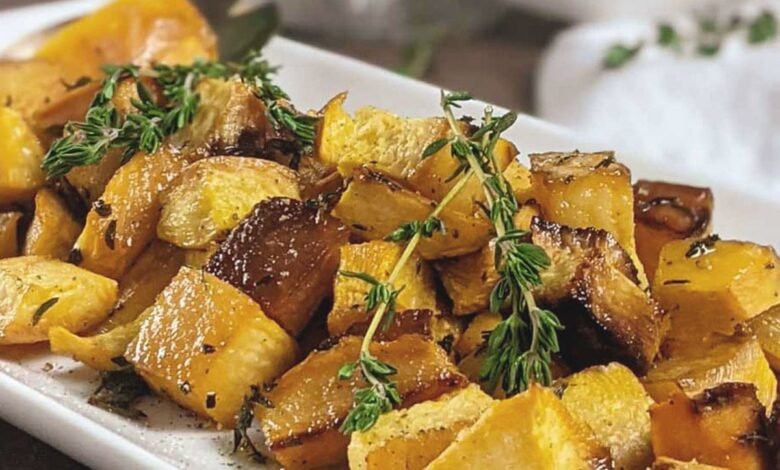
A simple roasted rutabaga recipe only requires olive oil, salt, pepper, and garlic powder. Spread cubed rutabaga on a baking sheet and roast until golden brown. The result is slightly sweet, savory, and deeply satisfying.
Herbs make roasted rutabagas even better. Rosemary, thyme, sage, and parsley pair especially well with the vegetable’s earthy sweetness. A drizzle of honey or maple syrup can also enhance caramelization for a richer flavor profile.
Roasted rutabagas work wonderfully as a side dish, but they can also become part of grain bowls, salads, or sheet-pan dinners. Their hearty texture helps them hold up well alongside proteins like chicken, beef, or salmon.
Rutabaga Soup Recipes
Soup is one of the best ways to showcase the creamy texture and comforting flavor of rutabagas. Because they blend smoothly, they create rich soups without needing heavy cream.
A classic rutabaga soup often starts with onions, garlic, and butter. Cubed rutabagas are added with broth and simmered until tender before blending into a silky consistency. Many recipes include carrots or potatoes for additional sweetness and body.
Spices can dramatically change the character of rutabaga soup. Nutmeg, cumin, smoked paprika, and ginger all complement the vegetable in different ways. Some cooks prefer rustic herb flavors, while others lean toward warm and slightly spicy combinations.
Adding toppings can also elevate the soup. Crispy bacon, roasted seeds, fresh herbs, or croutons provide texture contrast and extra flavor. Rutabaga soup feels especially comforting during cold weather and pairs perfectly with crusty bread.
Rutabaga Fries and Low-Carb Alternatives
One of the most modern uses for rutabagas is turning them into healthier fries. Because they are lower in carbohydrates than potatoes, they are often used in low-carb and keto-inspired cooking.
To make rutabaga fries, cut the vegetable into thin sticks, toss with oil and seasonings, then roast until crispy. Paprika, garlic powder, onion powder, and black pepper work especially well.
Unlike potato fries, rutabaga fries have a slightly sweet and earthy flavor. They are crisp on the outside and tender inside when cooked correctly. Many people enjoy them with spicy mayonnaise, garlic aioli, or ketchup.
Rutabagas can also replace potatoes in casseroles, gratins, and hash dishes. Their texture remains hearty while reducing overall starchiness. This makes them ideal for people who want comfort food with a lighter nutritional profile.
Hearty Rutabaga Stews and Casseroles
Rutabagas are excellent in slow-cooked dishes because they absorb surrounding flavors while maintaining structure. In stews, they provide depth and sweetness that balance savory broths beautifully.
Beef stew with rutabagas is especially popular. The vegetable softens during simmering and adds richness to the broth without becoming mushy. Combined with carrots, onions, and herbs, rutabagas help create deeply comforting meals.
Casseroles also benefit from rutabagas. Thin slices can be layered with cream, cheese, and herbs to create a gratin-style dish. The result is luxurious and flavorful with a slightly sweet finish that pairs wonderfully with savory ingredients.
Another excellent idea is adding rutabagas to shepherd’s pie. Whether diced into the filling or mashed on top, they enhance the dish with complexity and balance.
Creative Rutabaga Recipes for Modern Kitchens
Although rutabagas are traditional vegetables, they fit surprisingly well into modern cooking trends. Their adaptability allows chefs and home cooks to use them in fresh and unexpected ways.
Rutabaga noodles are becoming increasingly popular. Spiralized rutabaga creates sturdy vegetable noodles that work well with creamy sauces or stir-fries. While they are firmer than zucchini noodles, they offer more substance and flavor.
Rutabaga hash is another creative option. Diced rutabagas can be sautéed with onions, peppers, and breakfast sausage for a hearty morning meal. Topped with eggs, the dish becomes both nutritious and filling.
You can even use rutabagas in salads. Roasted cubes pair beautifully with leafy greens, goat cheese, nuts, and vinaigrettes. Their sweetness contrasts nicely with tangy dressings and salty toppings.
Best Seasonings and Ingredients for Rutabaga Recipes
Understanding flavor pairings can make rutabaga recipes much more successful. Because rutabagas have earthy sweetness, they pair well with both savory and sweet ingredients.
Butter and cream are classic companions because they soften the vegetable’s natural earthiness. Garlic, onions, and herbs also enhance flavor without overwhelming it. Rosemary and thyme are especially effective in roasted dishes.
For sweeter preparations, maple syrup, brown sugar, cinnamon, and nutmeg create warm and comforting flavors. These combinations are common in holiday meals and autumn-inspired dishes.
Cheese also works surprisingly well with rutabagas. Parmesan, cheddar, Gruyère, and goat cheese all complement the vegetable in different ways. Whether added to casseroles or sprinkled over roasted cubes, cheese can bring richness and depth.
Common Mistakes When Cooking Rutabagas
Many people try rutabagas once, dislike the experience, and never cook them again. Often, the issue is not the vegetable itself but the preparation method.
One common mistake is undercooking. Rutabagas need enough time to become tender. If they remain too firm, the texture can feel unpleasant and overly dense. Patience is essential, especially when roasting large pieces.
Another issue is poor seasoning. Rutabagas benefit greatly from salt, herbs, and fats like butter or olive oil. Without seasoning, they can taste bland. Proper seasoning transforms them into something rich and flavorful.
Using overly large pieces is another problem. Smaller cubes cook more evenly and caramelize better. Large chunks can remain hard in the center while burning outside.
Finally, some people expect rutabagas to taste exactly like potatoes. While they can replace potatoes in many recipes, they have their own distinct flavor. Appreciating that difference helps create better expectations and more enjoyable meals.
Rutabaga Recipes for Holidays and Gatherings
Rutabagas shine during holiday meals because their sweetness pairs beautifully with traditional comfort foods. They are especially popular in Thanksgiving and Christmas spreads.
Mashed rutabagas make an excellent alternative to standard mashed potatoes. Their vibrant color and richer flavor help diversify the table while still feeling comforting and familiar.
Rutabaga casseroles are also ideal for gatherings because they can be prepared ahead of time. Baked with cream, herbs, and cheese, they become rich and satisfying crowd-pleasers.
Roasted rutabaga medleys with carrots, parsnips, and sweet potatoes create colorful side dishes that look impressive while remaining simple to prepare. Their caramelized flavor complements roasted turkey, beef, or ham perfectly.
Why Rutabagas Deserve More Attention
Rutabagas are often overlooked because they lack the popularity of trendier vegetables. However, they offer incredible value in terms of flavor, nutrition, and versatility.
They are affordable, easy to store, and adaptable to countless cooking methods. From rustic soups to elegant roasted dishes, rutabagas can fit almost any style of cuisine. They also provide a unique balance of sweetness and earthiness that few vegetables can match.
Modern cooking has started embracing forgotten ingredients again, and rutabagas deserve to be part of that movement. Their ability to work in both traditional comfort food and healthier modern recipes makes them one of the most underrated vegetables available.
For people looking to expand their cooking skills, rutabagas are an excellent ingredient to explore. They encourage creativity while rewarding patience and good technique with rich, satisfying flavor.
Final Thoughts on Rutabaga Recipes
Rutabaga recipes offer far more variety and flavor than most people expect. Whether mashed, roasted, blended into soups, or transformed into fries, this root vegetable brings warmth and depth to meals in a unique way.
Learning how to cook rutabagas properly opens the door to countless comforting dishes. Their sweet-earthy flavor pairs beautifully with herbs, butter, spices, meats, and cheeses, making them one of the most flexible vegetables in the kitchen.Rutabaga Recipes
The next time you see rutabagas at the market, consider giving them a chance. With the right preparation and seasonings, they can easily become one of the most reliable and delicious ingredients in your cooking routine.