The internet is full of names, trends, personalities, and mysterious keywords that suddenly begin appearing across social media, forums, gaming communities, and entertainment discussions. One phrase that has recently attracted attention is “dojen moe.” While the term may sound unusual at first, it has sparked curiosity among online users who want to understand its meaning, origins, cultural relevance, and why people are searching for it.
In many cases, internet keywords gain popularity because they are tied to digital culture, anime fandoms, online identities, artistic movements, or emerging creators. “Dojen moe” appears to fall into a category where curiosity, creativity, and niche internet communities intersect. Whether people are looking for a person, a style, a concept, or a fictional identity, the increasing searches surrounding the term suggest that it resonates with modern online audiences.
This article takes a deep dive into the keyword “dojen moe,” exploring possible meanings, cultural influences, online appeal, artistic connections, and why unique terms like this continue to trend in digital spaces. The goal is to provide a comprehensive and engaging explanation while examining how internet culture transforms obscure phrases into searchable topics.
Understanding the Meaning Behind Dojen Moe
The first challenge when discussing “dojen moe” is interpreting exactly what the term represents. Unlike widely recognized public figures or mainstream brands, this keyword has a more niche and mysterious quality. That mystery itself is often one of the reasons such phrases gain traction online.
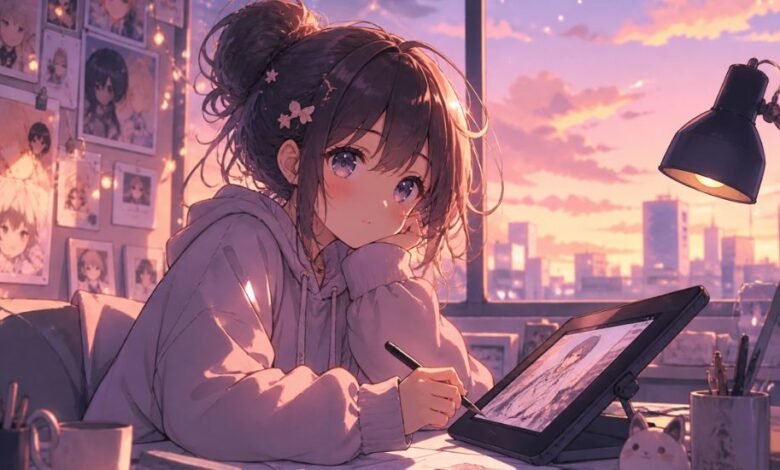
The word “moe” already has deep roots in Japanese pop culture. In anime and manga communities, “moe” refers to a feeling of affection toward cute, lovable, innocent, or emotionally appealing characters. Over the years, the concept evolved beyond anime and became part of global internet culture. People now use the word to describe aesthetics, character traits, or even emotional reactions tied to fictional personalities.
The “dojen” portion of the phrase is more open to interpretation. Some internet users speculate that it may be connected to artistic communities, stylized usernames, or creative aliases. Others believe it may relate to fan culture, independent creators, or online identities that emerged through gaming or animation communities. Since digital culture moves quickly, names sometimes gain popularity before their origins become widely understood.
Another reason why the keyword draws attention is because unusual combinations of words tend to stand out in search engines. When users encounter a unique term on TikTok, Reddit, Discord, or YouTube, they immediately search for it out of curiosity. This behavior creates momentum, causing the phrase to trend even further.
The ambiguity surrounding “dojen moe” actually increases its appeal. Internet audiences are naturally attracted to mysteries, hidden meanings, and niche references. The less obvious something appears, the more people want to investigate it.
The Influence of Anime and Moe Culture
To understand “dojen moe,” it helps to explore the broader concept of moe culture and its influence on global entertainment. The rise of anime worldwide has dramatically shaped internet aesthetics, humor, fandom behavior, and digital storytelling.
Moe culture became particularly influential in the early 2000s when anime fans began emphasizing emotional attachment to fictional characters. Characters described as “moe” often displayed innocence, awkwardness, kindness, vulnerability, or exaggerated cuteness. Fans connected deeply with these personalities because they felt emotionally comforting or relatable.
Over time, the influence of moe expanded beyond Japan. Western audiences embraced anime-inspired art styles, virtual personalities, cosplay, gaming avatars, and streaming personas that reflected moe characteristics. Platforms like Twitch, TikTok, and YouTube helped accelerate this trend by giving creators opportunities to develop cute or stylized online identities.
If “dojen moe” is connected to these artistic traditions, it makes sense why internet users would become interested in it. Online communities often create hybrid identities that blend anime aesthetics with modern internet culture. These identities can become influential even without mainstream media exposure.
Another major factor is the rise of VTubers and virtual influencers. Many online creators now use animated avatars inspired by anime design principles. These characters frequently incorporate moe-style features because audiences find them approachable and entertaining. As virtual entertainment grows, terms associated with anime-inspired culture continue gaining visibility.
The emotional side of moe culture also matters. Fans are not only attracted to visual styles but also to the emotional experiences associated with them. Words or identities linked to moe culture often evoke nostalgia, comfort, escapism, or humor. That emotional connection helps explain why niche terms can suddenly gain devoted followings.
Why Unique Internet Keywords Become Popular
One of the most fascinating aspects of digital culture is how random or obscure phrases suddenly explode in popularity. “Dojen moe” fits into a broader pattern where unique keywords spread rapidly through online ecosystems.
Social media algorithms play a major role in this process. Platforms reward engagement, curiosity, and repeat searches. When users encounter an unfamiliar phrase, they search for explanations, create reaction posts, or share theories. This behavior signals to algorithms that the keyword is generating interest, causing it to appear even more frequently.
Memes also contribute to keyword growth. Internet culture thrives on inside jokes, references, and cryptic phrases. Sometimes people intentionally avoid explaining a term clearly because the mystery itself becomes part of the entertainment. This encourages more searches and discussions.
Gaming communities are another important influence. Online games often create slang, usernames, or character references that spread far beyond the original player base. If “dojen moe” emerged from gaming culture, fan art communities, or streaming circles, that could explain its increasing visibility.
Another reason unusual keywords trend is because they are highly memorable. Generic phrases disappear quickly, but distinctive names stand out immediately. Search behavior reflects this psychological tendency. People are more likely to remember and revisit uncommon terms because they trigger curiosity.
Internet communities also enjoy discovering hidden or underground trends before they become mainstream. Being “early” to a trend gives users a sense of exclusivity and participation in digital culture. As a result, mysterious keywords often gain momentum simply because people want to feel connected to emerging online conversations.
The Artistic Side of Dojen Moe
There is also a strong possibility that “dojen moe” connects to artistic or creative communities. Online art culture has become one of the internet’s most influential spaces, especially among younger audiences.
Digital artists frequently create stylized names for projects, personas, or fictional universes. These names are intentionally unique because originality is valuable in crowded online spaces. A phrase like “dojen moe” has the kind of distinctive sound that fits naturally within anime-inspired art communities.
Platforms like DeviantArt, Pixiv, Instagram, and TikTok have helped independent artists build global audiences. Many creators combine Japanese-inspired aesthetics with modern digital trends, producing hybrid styles that appeal to international fans. The blending of visual storytelling, character design, and internet identity creation has transformed how audiences engage with art online.
Another important factor is fan-created content. Internet communities often expand fictional ideas through fan art, animations, memes, and collaborative storytelling. Even a small reference can evolve into a recognizable subculture if enough people contribute creatively to it.
Aesthetic branding also matters. Modern internet creators understand that memorable names help build identity and recognition. Whether the term refers to a creator, a project, or a fictional concept, its uniqueness gives it marketing potential within digital communities.
Artistic culture online is no longer limited to professional studios. Independent creators now shape trends faster than traditional media companies. This shift allows niche concepts like “dojen moe” to gain traction organically through community engagement rather than mainstream advertising.
Social Media’s Role in Making Keywords Trend
Social media platforms have completely changed how information spreads. In the past, trends relied heavily on television, magazines, or large media organizations. Today, even a single viral clip can introduce a previously unknown term to millions of people overnight.
TikTok is especially powerful when it comes to mysterious or aesthetic keywords. Users often pair unusual phrases with edits, animations, music, or emotional storytelling. Once viewers see the term repeatedly, they become curious enough to search for it independently.
Twitter, Reddit, and Discord communities also contribute to viral growth. Discussions, memes, and fan theories can create massive engagement around even the smallest internet references. Communities enjoy decoding meanings and sharing interpretations, which keeps conversations active for long periods.
The visual nature of social media further amplifies aesthetic phrases. Words associated with anime culture, digital art, or niche fandoms perform especially well because they are visually expressive. Users create edits, wallpapers, profile pictures, and videos that reinforce the keyword’s popularity.
Another major influence is recommendation algorithms. Once users interact with content related to anime, gaming, or internet aesthetics, platforms begin recommending similar topics automatically. This creates an echo effect where keywords like “dojen moe” appear repeatedly across multiple platforms.
Virality often depends less on factual meaning and more on emotional resonance. If a term feels interesting, stylish, mysterious, or emotionally engaging, people continue sharing it regardless of whether its origins are fully understood.
Internet Identity and Digital Personas
Modern internet culture places enormous value on digital identity. People carefully construct usernames, avatars, aesthetics, and online personalities that reflect how they want to be perceived. Terms like “dojen moe” may represent this growing emphasis on self-created digital branding.
Unlike traditional celebrity culture, internet identity is often fluid and experimental. Creators reinvent themselves constantly through new aesthetics, themes, or artistic directions. This flexibility allows unusual names to become memorable online brands.
Anime-inspired identities are especially common because they provide creative freedom. Users can design personalities that feel expressive, emotionally appealing, or visually distinctive. The rise of virtual avatars and AI-generated art has further expanded these possibilities.
Another important trend is anonymity. Many internet users prefer symbolic or stylized names rather than revealing personal information. This creates an environment where unique keywords carry emotional or cultural meaning independent of real-world identity.
Communities often form around shared aesthetics instead of geography or demographics. People connect through visual styles, humor, music preferences, gaming interests, or fandoms. Keywords become social markers that help users recognize others with similar interests.
This cultural shift explains why niche phrases can feel important even when they lack mainstream recognition. Online identity is increasingly shaped by micro-communities rather than traditional mass culture.
The Psychology of Online Curiosity
Curiosity is one of the strongest forces driving internet behavior. Search engines thrive because humans naturally want answers, explanations, and context. “Dojen moe” benefits from this psychological tendency because it feels unfamiliar yet intriguing.
Research into digital behavior shows that people are especially attracted to incomplete information. When users encounter a phrase without context, their brains seek closure by searching for explanations. This phenomenon is sometimes called the “information gap theory.”
Mysterious keywords create exactly this type of information gap. The less clear the meaning appears, the stronger the urge to investigate. Social media intensifies this effect because users frequently encounter content fragments without full explanations.
Another psychological factor is belonging. People want to understand references so they can participate in conversations or communities. Searching for niche terms helps users feel included in internet culture rather than excluded from it.
The emotional tone associated with “moe” culture also contributes to curiosity. Cute or emotionally expressive aesthetics trigger positive emotional reactions, making related content more memorable and shareable.
Curiosity-driven searches often snowball rapidly. Once enough people begin searching for a term, others assume it must be important or culturally relevant. This feedback loop can turn even obscure phrases into major search trends.
Could Dojen Moe Become More Mainstream?
The future popularity of “dojen moe” depends largely on how online communities continue using and developing the term. Many internet phrases disappear quickly, while others evolve into long-term cultural references.
If creators, artists, or influencers adopt the phrase consistently, it could gain broader recognition. Internet culture rewards repetition and visual identity. A memorable aesthetic or personality attached to the term could significantly increase its reach.
Collaborative creativity also matters. Communities often expand niche ideas through memes, fan art, music edits, or storytelling. Once multiple creators begin contributing to a concept, it develops cultural momentum.
There is also the possibility that the term may already belong to a growing subculture that has not yet reached mainstream awareness. Many internet trends remain niche for years before suddenly becoming globally recognizable.
The increasing globalization of anime and gaming culture further supports this possibility. Terms rooted in online fandoms now spread internationally much faster than in previous decades. What begins as a small internet reference can eventually influence mainstream entertainment, fashion, or digital branding.
At the same time, internet culture changes rapidly. Trends compete constantly for attention, and visibility can disappear as quickly as it arrives. Whether “dojen moe” becomes a lasting phenomenon will depend on how communities continue interacting with it.
Final Thoughts on Dojen Moe
“Dojen moe” represents more than just a mysterious keyword. It reflects the evolving nature of internet culture, digital identity, artistic expression, and online curiosity. In today’s connected world, even obscure phrases can generate widespread attention if they capture the imagination of online communities.
The connection to moe culture gives the term emotional and aesthetic depth, while its ambiguity fuels ongoing interest. Whether it refers to a creator, artistic movement, online identity, or emerging subculture, its growing visibility demonstrates how modern internet trends develop organically through curiosity and community interaction.
What makes digital culture fascinating is that meaning is often created collectively. Communities shape the significance of phrases through memes, art, conversations, and shared experiences. This collaborative process allows even unfamiliar keywords to gain cultural relevance.
As anime-inspired aesthetics, virtual identities, and niche online communities continue growing, terms like “dojen moe” will likely become increasingly common across digital platforms. The internet thrives on creativity, mystery, and participation, and this keyword embodies all three elements.
For now, “dojen moe” remains an intriguing example of how internet culture transforms simple phrases into searchable phenomena. Whether it becomes a lasting trend or simply a momentary curiosity, it highlights the powerful role that online communities play in shaping modern digital conversations.