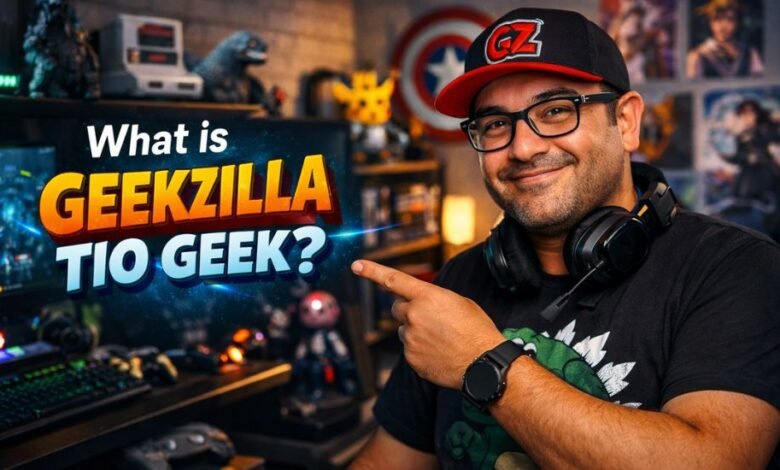
The internet has completely changed the way people consume entertainment, technology news, gaming content, and pop culture discussions. Over the last decade, online communities focused on geek culture have grown into massive digital ecosystems where millions of users gather daily to discuss everything from gaming hardware to anime, comic books, artificial intelligence, streaming platforms, and viral internet trends. One name that has increasingly attracted attention in these conversations is Geekzilla Tio Geek.
For many internet users, especially younger audiences who spend significant time online, Geekzilla Tio Geek represents more than just a catchy phrase or digital brand. It symbolizes a modern approach to geek culture — one that combines technology, entertainment, humor, and accessible content into a format that appeals to both hardcore enthusiasts and casual readers alike. Whether someone is interested in gaming setups, smartphone reviews, pop culture commentary, or internet memes, platforms associated with this identity often provide content designed to entertain while also informing.
The rise of geek-focused media platforms reflects broader cultural changes. Years ago, being called a “geek” was often viewed negatively, associated with niche hobbies or highly technical interests. Today, geek culture dominates mainstream entertainment. Superhero films break box office records, gaming tournaments attract millions of viewers, and technology influencers shape purchasing decisions worldwide. In this environment, names like Geekzilla Tio Geek thrive because they speak directly to audiences passionate about digital culture and innovation.
This article explores Geekzilla Tio Geek in detail, examining its role in online culture, the type of content associated with it, its influence on technology discussions, and why audiences continue to engage with geek-centered platforms in the modern digital age.
The Meaning Behind Geekzilla Tio Geek
At first glance, the phrase “Geekzilla Tio Geek” sounds energetic, playful, and intentionally memorable. The word “Geekzilla” appears to combine “geek” with the legendary “Godzilla” concept, suggesting something massive, powerful, and dominant within geek culture. Meanwhile, “Tio Geek” adds a more friendly and conversational identity, almost like a relatable guide within the tech and entertainment world.
This combination works especially well in online branding because modern audiences respond strongly to identities that feel both knowledgeable and approachable. Many users no longer want overly formal tech journalism filled with complicated jargon. Instead, they prefer creators and platforms that explain technology, gaming, and entertainment topics in a casual but intelligent way. Geekzilla Tio Geek fits perfectly into that trend.
Another reason the name resonates with audiences is because it captures the evolution of modern geek culture. Today’s geeks are not limited to one category. A person interested in gaming may also love anime, cryptocurrency, smartphones, science fiction movies, PC building, or streaming culture. Platforms built around this identity often embrace that diversity rather than focusing on a single niche.
The branding itself also reflects internet culture’s preference for personality-driven media. Users are increasingly drawn toward content that feels authentic and community-oriented. Instead of faceless corporations, audiences want creators and brands with humor, individuality, and recognizable voices. Geekzilla Tio Geek sounds less like a corporate publication and more like a digital personality that understands internet culture from the inside.
The Rise of Geek Culture in Mainstream Media
To fully understand the popularity of Geekzilla Tio Geek, it helps to examine how geek culture evolved into one of the most powerful forces in entertainment and technology.
In the early 2000s, geek communities primarily gathered in forums, niche websites, and specialized conventions. Interests like comic books, anime, gaming, and coding were often treated as hobbies outside the mainstream. However, the rise of social media and streaming platforms transformed these interests into global cultural movements.
Today, geek culture influences nearly every part of entertainment. Major film franchises are built around comic book universes. Gaming generates more revenue than the movie and music industries combined. Tech influencers receive millions of views reviewing smartphones, graphics cards, and AI tools. Podcasts discussing fantasy worlds and gaming lore attract huge loyal audiences.
This cultural shift created opportunities for platforms like Geekzilla Tio Geek to grow. Modern audiences actively search for content related to:
- Gaming news and reviews
- Tech tutorials
- Anime discussions
- Gadget comparisons
- Streaming recommendations
- Internet trends
- Artificial intelligence updates
- Meme culture
- PC customization
- Esports commentary
As geek culture expanded into mainstream entertainment, demand for accessible, entertaining content also increased. Many traditional media outlets struggled to connect with younger audiences because they relied on formal reporting styles. In contrast, geek-focused creators adopted humor, memes, interactive discussions, and relatable language.
That change made content more engaging and community-driven. Instead of feeling like lectures, geek platforms began to feel like conversations among friends who shared similar interests.
Technology Content and Digital Influence
One of the strongest aspects associated with Geekzilla Tio Geek is technology-focused content. Technology is now deeply integrated into everyday life, meaning audiences constantly search for information about devices, software, apps, and digital tools.
Modern tech audiences want more than simple specifications. They want real-world experiences, practical recommendations, and entertaining presentations. A successful geek platform understands that consumers often feel overwhelmed by endless product choices and technical jargon. The goal becomes simplifying information without losing depth.
Technology-related discussions commonly include:
Smartphone Reviews
Smartphones remain one of the most searched technology categories online. Consumers want to know about camera quality, battery performance, gaming capability, software updates, and overall value before purchasing devices.
Geek-centered platforms often succeed because they explain these features in practical language rather than using purely technical comparisons. Instead of only listing benchmarks, they discuss real-life usability and entertainment value.
Gaming Hardware
Gaming PCs, graphics cards, consoles, and accessories continue to dominate online discussions. Gamers constantly look for setup recommendations, optimization tips, and performance comparisons.
Platforms like Geekzilla Tio Geek appeal to gamers because they often combine technical analysis with enthusiasm and humor. This creates content that feels both informative and entertaining.
Artificial Intelligence and Emerging Tech
AI tools have rapidly become one of the biggest topics in the tech industry. People want to understand how AI affects education, work, content creation, gaming, and social media.
Geek-focused media often explains these developments in accessible ways, helping audiences understand complex topics without requiring advanced technical knowledge.
Streaming and Digital Entertainment
Streaming services, content creators, and digital entertainment ecosystems are major parts of geek culture. Discussions frequently include recommendations, platform comparisons, and trending shows or creators.
Because audiences consume entertainment across multiple digital platforms, creators who understand internet culture gain a significant advantage in audience engagement.
Gaming and the Heart of Geek Communities
Gaming has become one of the central pillars of online geek culture. It is impossible to discuss Geekzilla Tio Geek without acknowledging the enormous role gaming plays in modern digital communities.
Gaming is no longer considered a niche hobby. Competitive esports tournaments fill stadiums, streamers earn millions of followers, and gaming franchises rival Hollywood blockbusters in popularity.
What makes gaming culture particularly powerful is its ability to create communities. Players connect through shared experiences, online competition, cooperative gameplay, and fan discussions. Platforms focused on geek culture often thrive because they understand the emotional side of gaming rather than treating it purely as a product category.
Popular gaming discussions usually involve:
- Console comparisons
- PC gaming setups
- Indie game discoveries
- Multiplayer trends
- Esports tournaments
- Gaming accessories
- Streaming personalities
- Game lore and storytelling
- Upcoming releases
- Retro gaming nostalgia
The emotional connection gamers feel toward their favorite titles creates highly engaged audiences. Geek-focused platforms benefit because they become spaces where fans can celebrate shared passions.
Another major factor is nostalgia. Many adults who grew up playing classic games now have purchasing power and remain emotionally attached to gaming culture. Content that references older consoles, iconic franchises, or retro aesthetics often performs exceptionally well online.
The Role of Humor and Internet Culture
One reason platforms like Geekzilla Tio Geek attract loyal audiences is their connection to internet humor and meme culture.
Traditional journalism often prioritizes professionalism above personality. In contrast, modern digital audiences prefer content that feels human, relatable, and entertaining. Humor helps creators establish stronger emotional connections with viewers and readers.
Memes, jokes, and internet references create a sense of belonging within online communities. When audiences recognize shared cultural references, they feel like part of an insider group. This community dynamic is one of the most powerful aspects of modern geek culture.
Humor also makes complex topics easier to understand. Technology discussions can become intimidating when overloaded with technical language. By using jokes, analogies, and casual explanations, creators make information more accessible to wider audiences.
Internet culture evolves rapidly, and successful geek platforms stay connected to trending conversations. Whether discussing viral games, controversial updates, or social media phenomena, creators who understand online behavior maintain stronger audience engagement.
Why Audiences Trust Geek-Focused Platforms
Trust plays a major role in digital media success. Modern audiences are increasingly skeptical of overly corporate advertising and sponsored content. They prefer creators and platforms that appear authentic and community-oriented.
Geek-focused media often builds trust through:
Honest Opinions
Audiences appreciate creators willing to criticize products or trends honestly rather than blindly promoting them. Transparency increases credibility.
Community Interaction
Replying to comments, participating in discussions, and acknowledging audience feedback helps build loyal communities.
Passion-Driven Content
People can usually tell when creators genuinely enjoy the topics they discuss. Enthusiasm is contagious and helps establish authenticity.
Accessible Communication
Complex subjects become more approachable when explained casually without talking down to audiences.
The success of platforms like Geekzilla Tio Geek often depends on balancing entertainment with useful information. Audiences want to learn something while still feeling entertained.
Social Media and the Expansion of Geek Brands
Social media transformed geek culture into a global phenomenon. Platforms like video-sharing apps, streaming services, and discussion forums allow creators to reach audiences instantly.
Modern geek brands rarely exist on only one platform. Instead, they build interconnected ecosystems across:
- Video platforms
- Streaming services
- Social media apps
- Podcasts
- Blogs
- Community forums
- Live broadcasts
This multi-platform strategy increases visibility while helping creators connect with audiences in different ways.
Short-form content has become particularly important. Many younger users prefer fast, engaging videos that quickly explain trends, products, or gaming updates. Humor and personality often matter as much as information quality.
At the same time, long-form articles and detailed discussions still attract dedicated audiences seeking deeper analysis. Successful geek platforms usually balance both styles.
The Importance of Community in Geek Culture
Community is arguably the most important aspect of geek-centered platforms. People do not simply consume content passively; they actively participate in discussions, debates, and fandoms.
Online communities provide:
- Shared identity
- Friendship opportunities
- Knowledge exchange
- Entertainment
- Emotional connection
- Collaborative creativity
Many users feel more comfortable expressing their interests online than they do in traditional social environments. Geek communities often create spaces where people feel accepted for their passions.
This sense of belonging is incredibly valuable in the digital age. As internet culture becomes increasingly fragmented, strong communities help users feel connected.
Geekzilla Tio Geek represents this broader cultural movement where technology, entertainment, and social interaction merge into a shared digital experience.
Challenges Facing Geek Media Platforms
Despite their popularity, geek-focused platforms face several challenges.
Oversaturation
The internet contains enormous amounts of content. Standing out requires originality, consistency, and strong audience engagement.
Rapid Trend Cycles
Internet trends move extremely quickly. Creators must constantly adapt to changing audience interests and platform algorithms.
Monetization Pressure
Many creators rely on sponsorships, ads, and partnerships, which can sometimes create tension between authenticity and profitability.
Misinformation
Technology and gaming news spreads rapidly online, but not all information is accurate. Responsible creators must verify claims carefully.
Burnout
Content creation requires constant production and audience interaction, which can become mentally exhausting over time.
Successful platforms navigate these challenges by maintaining authenticity while continuing to evolve with digital culture.
The Future of Geekzilla Tio Geek and Digital Culture
The future of geek-centered platforms looks extremely promising because technology and entertainment continue becoming more interconnected.
Several major trends will likely shape the next phase of digital geek culture:
Artificial Intelligence Integration
AI tools will increasingly influence content creation, gaming, personalization, and digital communication.
Virtual Reality and Immersive Experiences
VR and augmented reality technologies could create entirely new forms of community interaction and entertainment.
Creator-Driven Media
Independent creators will continue challenging traditional media companies by building direct relationships with audiences.
Interactive Communities
Live streaming, collaborative platforms, and community-driven content will become even more important.
Cross-Cultural Globalization
Geek culture now transcends national boundaries. Anime from Japan, games from Korea, films from Hollywood, and memes from global internet communities all influence each other.
As digital culture evolves, brands and creators connected to geek identity will continue playing a major role in shaping online conversations.
Final Thoughts
Geekzilla Tio Geek represents more than a phrase associated with internet culture. It reflects the broader transformation of geek identity from niche interest to mainstream cultural force. Technology, gaming, memes, streaming, and digital entertainment are no longer separate categories — they are interconnected parts of modern life.
What makes geek-focused platforms successful is their ability to combine expertise with accessibility. Audiences want creators who understand technology and entertainment deeply but can still communicate naturally and entertainingly. They want authenticity, humor, community, and practical insights rather than overly corporate presentations.Geekzilla Tio Geek
The growth of online communities shows that people are actively searching for spaces where they can share passions, discover new interests, and connect with others who understand internet culture. Whether through gaming discussions, tech reviews, or meme-driven commentary, platforms like Geekzilla Tio Geek thrive because they speak the language of modern digital audiences.
As technology continues evolving, geek culture will likely become even more influential in shaping entertainment, communication, and online identity. The internet has created a world where being a geek is no longer unusual — it is part of mainstream culture itself.